


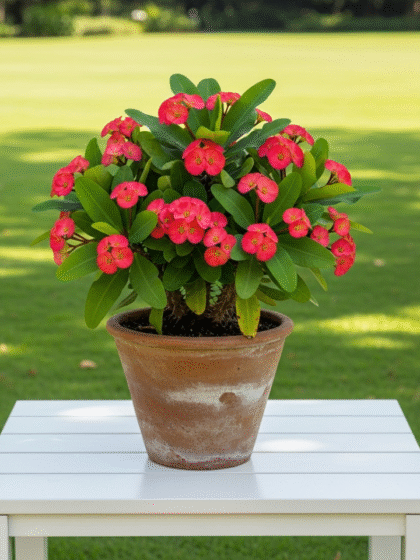
Euphorbia Plant
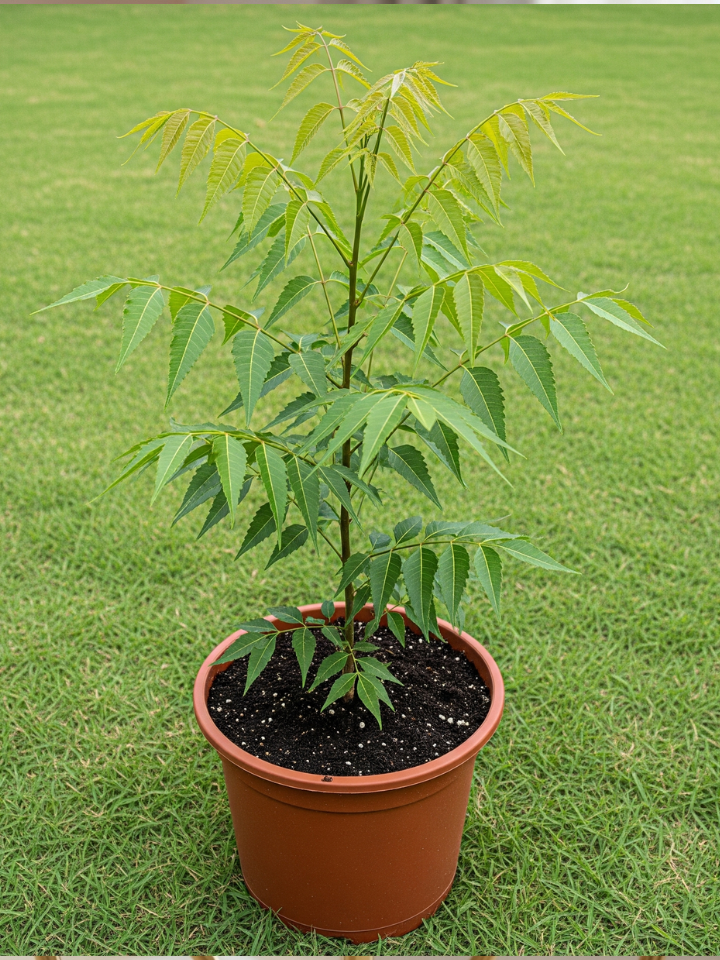

Neem
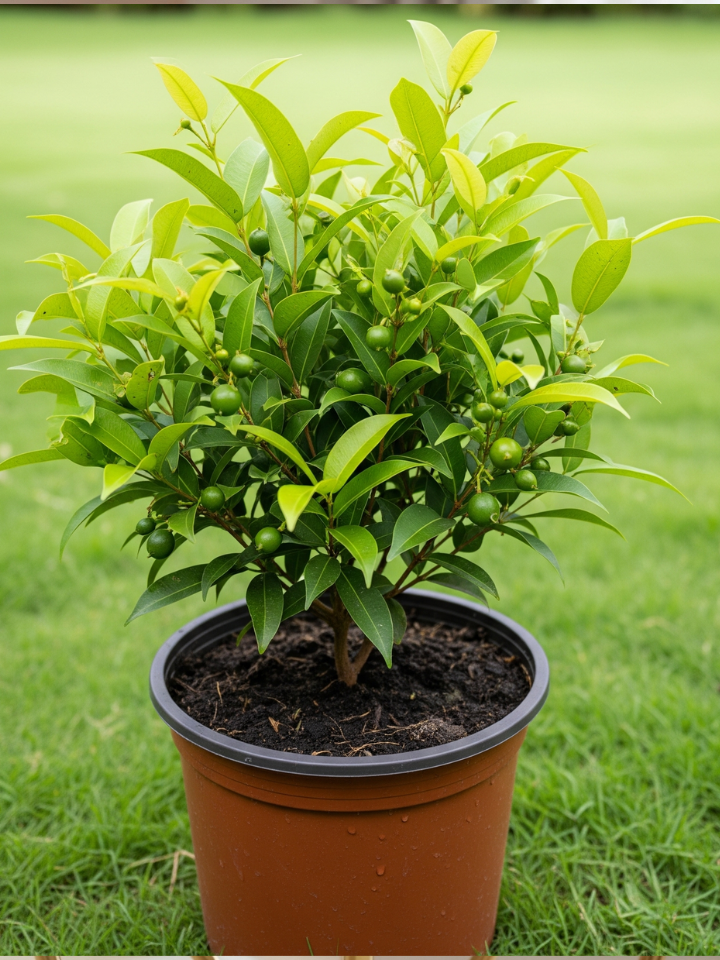

Jamun- Black Berry plant
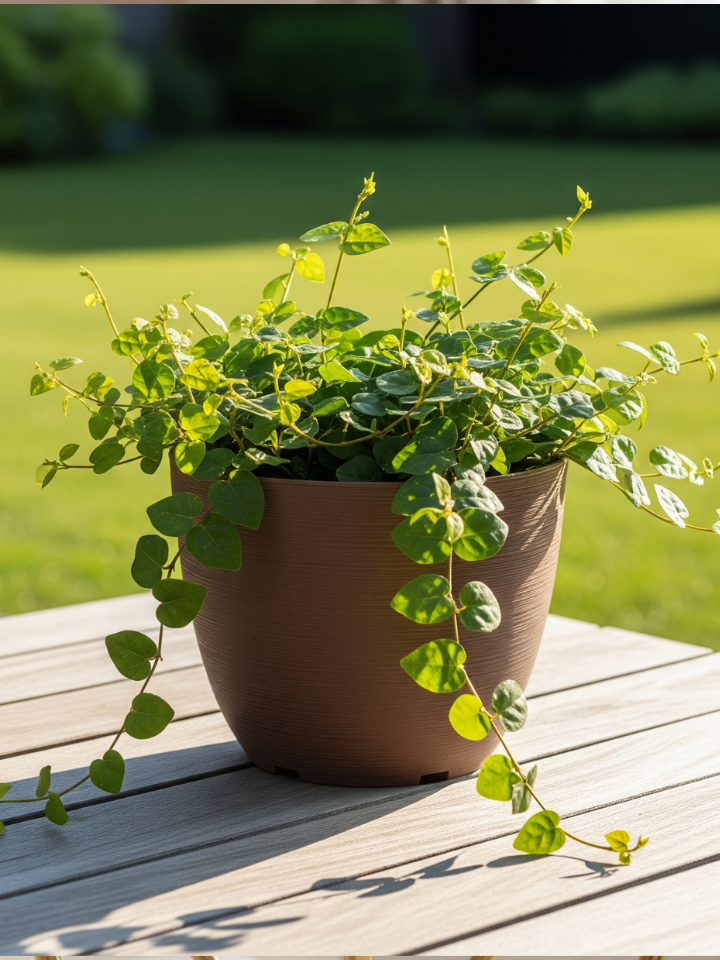

Wall Creeper Plant


Peepal Plant
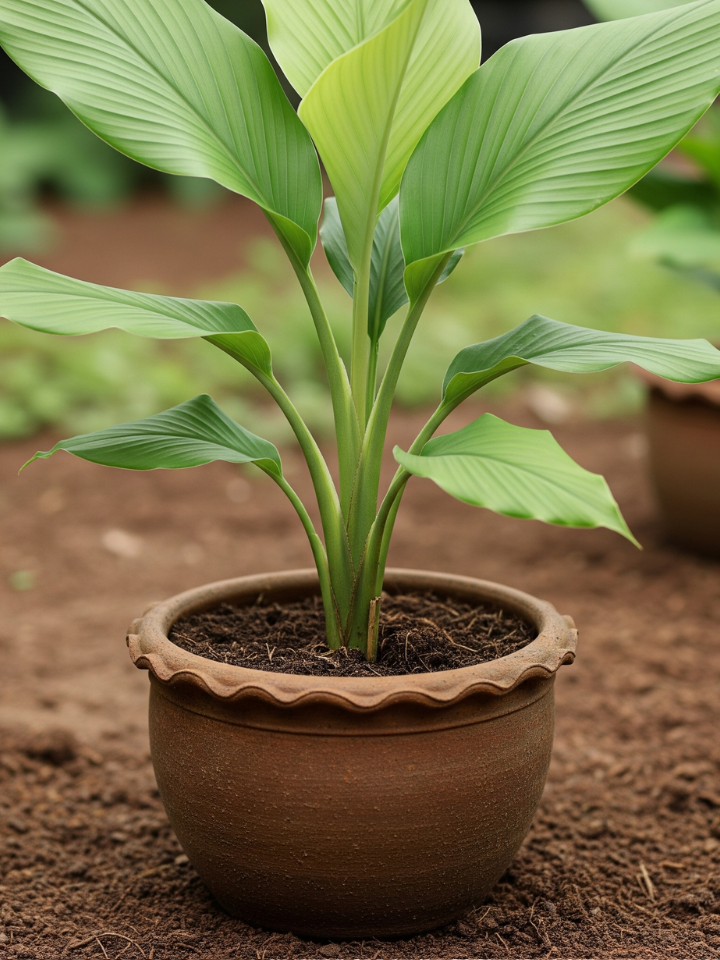

Turmeric plant

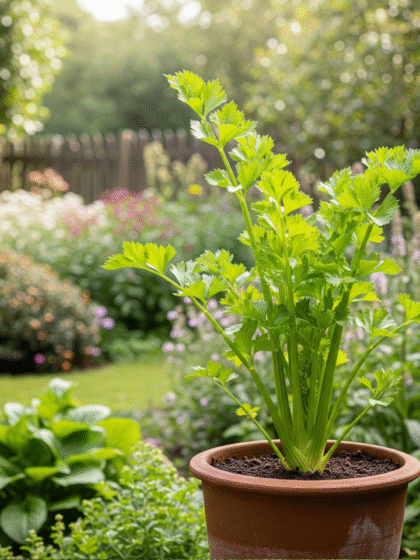
Coriander leaves- Plant

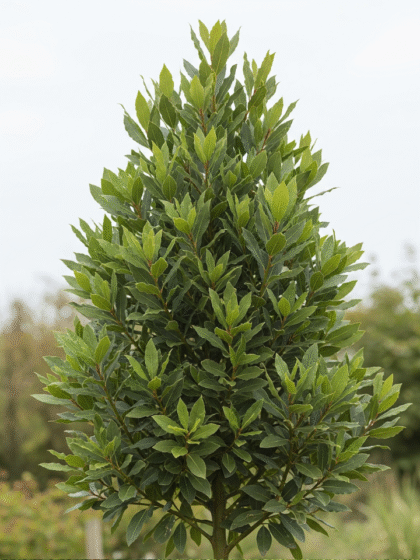
Bay Leaves- Plant

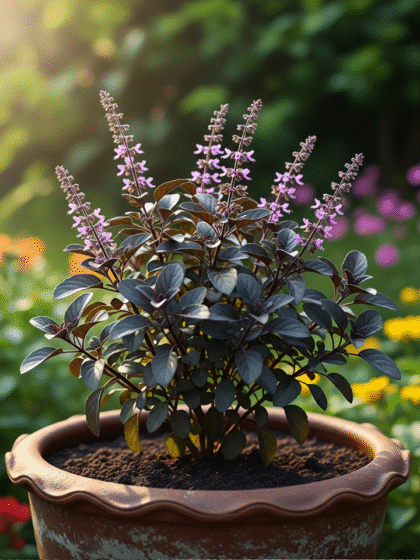
Black Tulsi

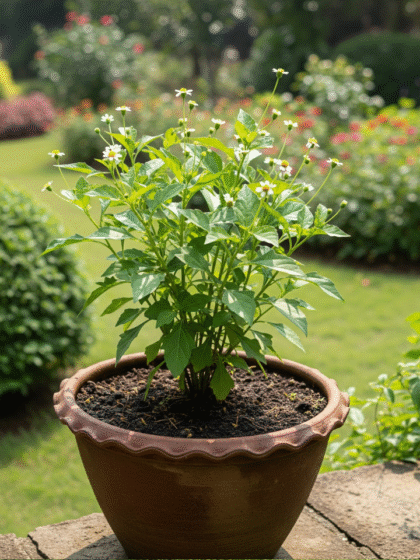
Bhringaraj plant
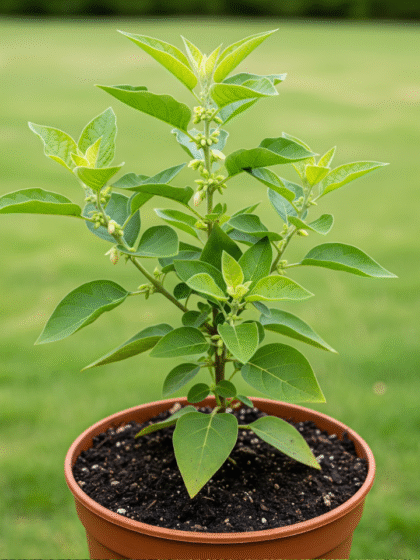
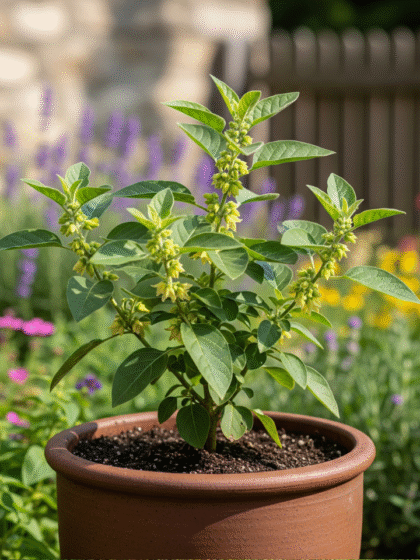
Ashwagandha Plant


Green Chiretta( kalmegh)
Have you ever walked into a home and instantly felt a sense of calm, warmth, and positive energy? Chances are, nature had a quiet role to play in that feeling. The way greenery is arranged around a home — the plants at the entrance, the flowering shrubs along the boundary, the sacred herb near the doorstep — all of it contributes to something much deeper than just aesthetics. In Indian tradition, this wisdom has a name: Vastu Shastra.
The Connection Between Nature, Energy Flow, and Vastu Shastra
Vastu Shastra, one of the oldest architectural and spatial sciences of India, is built on a fundamental belief — that every living space interacts with the energies of the universe. When these energies flow freely and harmoniously, they bring health, prosperity, and peace to the people living within. When they are blocked or disturbed, the effects can show up as stress, financial setbacks, or a general sense of unease.
What many people don’t realise is that outdoor plants are among the most powerful tools Vastu offers for balancing these energies. Plants are living, breathing organisms. They absorb, emit, and transform energy continuously. In Vastu, garden plants are not merely decorative outdoor plants — they are active participants in the energy ecosystem of your home.
Ancient Vastu texts make it clear that the natural world and human dwellings are deeply interconnected. Trees, shrubs, climbers, and flowering plants each carry their own energetic signature. Placed thoughtfully, they act as natural conduits for positive cosmic energy, drawing abundance and serenity into the home. Placed carelessly, even the most beautiful plant for home Vastu purposes can create imbalance.
This is why, across generations, Indian households have followed specific traditions around plants — keeping Tulsi near the entrance, planting Parijaat in the courtyard, or growing Mogra along the boundary wall. These weren’t just cultural habits. They were practical applications of Vastu wisdom, passed down through lived experience.
How the Right Plants at the Right Spots Transform Your Home’s Aura
Think of your home’s outdoor space as an energy map. Every direction, every corner, every pathway carries a specific frequency. The plants you choose for your garden — and where you place them — either amplify or disrupt that frequency.
The right outdoor plants for home placement can:
- Invite positive energy through the main entrance, creating a welcoming aura for both residents and guests
- Protect the home from negative influences, particularly from the south and southwest directions
- Support health and vitality, especially when air-purifying outdoor plants are placed in the east and northeast zones
- Attract prosperity, when lucky Vastu plants for home are positioned in the north or northeast corners
- Enhance emotional well-being, through the gentle fragrance of vastu flower plants like Mogra, Champa, and Jasmine
What makes outdoor Vastu planting particularly powerful is that it works on multiple levels simultaneously. A well-placed Hibiscus bush is visually beautiful, ecologically beneficial, and energetically auspicious — all at once. A blooming Bougainvillea at the entrance isn’t just a decorative outdoor plant; it’s a vibrant energy anchor that Vastu considers deeply positive.
In the Indian climate, where seasons shift dramatically and nature is both fierce and generous, choosing the best outdoor plants for Indian climate also means working with nature rather than against it. Plants that thrive naturally in your region carry stronger, more stable energy — they are rooted deeply, both literally and energetically.
Whether you are designing a new garden from scratch, rearranging your existing green space, or simply looking to add a few meaningful plants for your garden, understanding Vastu principles can transform the experience entirely. You stop seeing your outdoor space as just a patch of soil and start seeing it as a living, breathing extension of your home’s energy.
And that shift in perspective? It changes everything.
Section 2: Understanding the Basics of Vastu Shastra for Plants
Vastu Shastra is often misunderstood as a set of rigid rules or superstitions. In reality, it is a deeply intuitive science — one that observes how natural forces, spatial geometry, and living organisms interact with each other. When it comes to outdoor plants and trees, Vastu offers a remarkably practical and nature-aligned framework. To use it well, you need to understand two foundational concepts: the five elements, and the significance of directions.
The Five Elements (Pancha Bhuta) and Plant Placement
At the heart of Vastu Shastra lies the principle of Pancha Bhuta — the five elements that make up all of existence. These are:
Element | Sanskrit Name | Associated Quality |
Earth | Prithvi | Stability, grounding, nourishment |
Water | Jal | Flow, abundance, emotional balance |
Fire | Agni | Energy, transformation, vitality |
Air | Vayu | Movement, communication, freshness |
Space | Akasha | Expansion, consciousness, openness |
Every living plant interacts with all five elements — it grows from the earth, drinks water, photosynthesises using fire (sunlight), breathes air, and exists within space. This is precisely why garden plants hold such a special place in Vastu — they are perhaps the most complete natural embodiment of the Pancha Bhuta in everyday life.
When you place a plant in your outdoor space, you are essentially placing a living bundle of elemental energy in a specific location. The question Vastu asks is: does this elemental combination harmonise with the energy already present in that direction, or does it clash with it?
Here is how each element connects to plant selection and placement:
Earth Element — (Prithvi) Heavy, dense plants with thick trunks, deep roots, or large canopies — like fruit trees or large flowering trees — carry strong earth energy. Vastu recommends placing such plants in the southwest or south zones, where earth energy naturally dominates. These grounding plants for home vastu create a sense of stability and protection.
Water Element — (Jal) Plants that love moisture, have soft flowing foliage, or are associated with cooling — like Bamboo Palm or certain aquatic plants — align with water energy. The north and northeast directions are governed by the water element, making them ideal for lush, soft greenery.
Fire Element — (Agni) Bright, vibrant flowering plants — particularly those with red, orange, or yellow blooms — carry fire energy. The south and southeast (Agni corner) of your garden welcome these plants. Vastu flower plants like Hibiscus and certain varieties of Bougainvillea thrive both energetically and physically in these sun-drenched zones.
Air Element — (Vayu) Light, feathery, aromatic plants that sway gently in the breeze — like Mogra, Jasmine, or ornamental grasses — embody air energy. The northwest direction is governed by Vayu, and placing fragrant or light-foliaged plants here supports communication, relationships, and positive movement of energy through the home.
Space Element — (Akasha) Open, airy sections of the garden that allow energy to breathe and expand are associated with Akasha. Vastu encourages keeping the northeast corner relatively open and uncluttered — with only small, sacred plants like Tulsi or lucky Vastu plants for home that do not overwhelm the space.
Understanding these elemental associations helps you move beyond simply following a list of “good” or “bad” plants. It gives you the reasoning behind each recommendation, so you can make informed, intuitive decisions about your own garden.
Directions and Their Significance in Vastu
The second pillar of Vastu plant placement is directional science. Vastu divides a home and its surrounding space into eight primary directions, each governed by a specific deity, planet, and elemental quality. For outdoor plant placement, the cardinal and intercardinal directions are equally important.
Here is a foundational overview of each direction and its relevance to your garden:
North — Governed by Kuber (God of Wealth) The north is associated with prosperity, career growth, and financial abundance. It is ruled by the water element and Mercury. Plants placed here should support the flow of positive energy without blocking the open, expansive quality this direction requires. Low-growing, lush greenery works beautifully in this zone.
Northeast — The Ishaan Corner Considered the most sacred direction in Vastu, the northeast is the zone of divine energy, spiritual growth, and mental clarity. It should remain as open and light-filled as possible. Only small, sacred plants — particularly those considered lucky Vastu plants for home — belong here. Overcrowding this corner with large trees or dense shrubs is one of the most common Vastu mistakes.
East — Governed by Indra (God of Rain and Prosperity) The east welcomes the first light of the sun every morning, making it the direction of health, vitality, and new beginnings. Air-purifying outdoor plants thrive here both energetically and physically, receiving the gentle morning sunlight they need. This direction is ideal for medicinal and sacred plants.
Southeast — The Agni (Fire) Corner The southeast is governed by fire energy and is associated with transformation and vitality. Bright flowering plants with warm-coloured blooms — red, orange, yellow — are particularly well-suited for this zone. It is also considered a good location for fruit-bearing plants, which carry the energy of abundance and nourishment.
South — Governed by Yama The south is often misunderstood as simply a “negative” direction in Vastu. In reality, it is a powerful directional zone that requires careful management. Tall, strong, protective plants and trees placed along the southern boundary act as an energetic shield, guarding the home from harsh energies. The key is density and height — the south benefits from robust, well-established outdoor plants and trees.
Southwest — Governed by Nirrti The southwest is the zone of stability, relationships, and long-term security. Heavy, deeply rooted plants and trees are ideal here. This direction should never be left bare or light — it needs grounding, substantial greenery to anchor the home’s energy and provide a sense of permanence.
West — Governed by Varuna (God of Water and Rain) The west is associated with creativity, gains, and the completion of efforts. Medium-sized flowering plants and ornamental shrubs work well here. This direction also tolerates some shade-producing plants, as it receives the afternoon sun and benefits from plants that balance its warm, active energy.
Northwest — Governed by Vayu (God of Wind) The northwest governs movement, change, and social connections. Light, aromatic, and airy plants — particularly fragrant vastu flower plants — are ideal in this zone. Plants here support positive relationships, helpful visitors, and smooth communication within the household.
Why Directions Matter More Than You Think
In practical terms, getting the directional placement right is the single most impactful thing you can do when arranging outdoor plants for home with Vastu in mind. A plant that is deeply auspicious in one direction can become disruptive in another — not because the plant itself changes, but because its elemental energy either harmonises or conflicts with the natural energy of that zone.
This is why simply buying the “best outdoor plants for home garden” from a list is never quite enough. The where matters as much as the what. A large tree in the northeast, however beautiful, can block divine energy and create obstacles in the lives of the residents. The same tree placed in the southwest becomes a powerful protector.
As you move through the remaining sections of this guide — exploring specific plants, directions, and placement tips — keep these foundational principles in mind. They are the lens through which all Vastu plant wisdom makes its deepest sense.
Section 3: Best Outdoor Plants for Home Vastu by Direction
Now that we understand the foundational principles of Pancha Bhuta and directional energy, it is time to get specific. This section is your practical, direction-by-direction guide to choosing the right outdoor plants for home Vastu placement. Whether you are working with a sprawling garden or a compact balcony, these recommendations will help you align your green space with the natural energy flow of your home.
Think of this as your garden’s energy blueprint — a living map where every plant has a purpose, every corner has a role, and every bloom carries intention.
North — Plants That Attract Wealth and Career Growth
The north direction, governed by Kuber, the deity of wealth, is one of the most important zones in your outdoor space from a prosperity standpoint. Vastu strongly recommends keeping this direction open, light, and well-maintained. Heavy trees or dense shrubs that block the north can inadvertently obstruct the flow of financial energy into the home.
What to plant here:
The ideal plant for garden placement in the north zone includes small to medium-sized, lush, and moisture-loving varieties. Since the north is governed by the water element, plants that visually evoke softness, flow, and abundance work beautifully here.
- Lucky Bamboo — Perhaps the most well-known among lucky Vastu plants for home, Lucky Bamboo thrives in the north and is traditionally associated with prosperity and positive chi. It grows well in partial shade, which the north direction often provides.
- Money Plant — A classic choice for the north zone, Money Plant’s trailing, heart-shaped leaves are considered an energetic magnet for financial abundance. As one of the most popular best outdoor plants for home garden in India, it adapts easily to outdoor conditions.
- Jasmine (Mogra) — The soft, fragrant blooms of Mogra bring a gentle, flowing energy to the north zone, supporting emotional well-being alongside material prosperity.
- Small ornamental shrubs with dense, green foliage — these maintain the lush quality Vastu recommends for the north without overwhelming the space with excessive height or density.
What to avoid: Large trees, thorny plants, or anything that grows tall enough to cast a heavy shadow over the north entrance or boundary.
East — Plants That Welcome Health and Sunrise Energy
The east is the direction of the rising sun — the source of life, light, and new beginnings. In Vastu, the east zone governs health, vitality, and overall well-being. It is one of the most energetically active directions in the entire home, and the plants you choose here have a direct influence on the physical health and positive outlook of the residents.
What to plant here:
Since the east receives the gentle, nourishing rays of the morning sun, it is perfectly suited for plants that love soft sunlight and carry healing, purifying energy. Air purifying outdoor plants are particularly well-suited for this zone — they work in harmony with the health-giving quality of the eastern direction.
- Tulsi (Holy Basil) — Deeply revered in Indian tradition, Tulsi is one of the most powerful lucky Vastu plants for home and is ideally placed in the east or northeast. Its air-purifying properties are scientifically recognised, and its spiritual significance in Vastu is unparalleled.
- Aloe Vera — A medicinal powerhouse that thrives in morning sunlight. Aloe Vera in the east supports the healing energy of this direction and is considered auspicious for family health.
- Neem Tree — One of the most respected outdoor plants and trees in Indian tradition, Neem in the east is considered highly protective and health-giving. Its powerful air-purifying qualities align perfectly with the east’s health-governing energy.
- Banana Plant — Considered sacred and auspicious in Vastu, the Banana plant placed in the east is associated with good health, prosperity, and divine blessings.
- Medicinal herbs like Peppermint, Curry Leaf, and Brahmi — these small but potent plants bring healing energy to the east zone while remaining practical additions to any home garden.
What to avoid: Large, shade-casting trees that block morning sunlight from entering the home through the east. The east should remain bright and open to welcome the first rays of the day.
South — Protective Plants That Guard Against Negative Energy
The south direction is governed by Yama and is often associated with challenges, obstacles, and strong, sometimes harsh energy. However, Vastu does not ask you to leave the south bare or neglected — quite the opposite. The south boundary of your garden is where you build your home’s energetic shield, using tall, robust, and densely growing outdoor plants and trees as natural protectors.
What to plant here:
The south zone calls for strength, height, and density. Large trees and thick shrubs planted along the southern boundary create a powerful barrier that deflects negative energy and provides the home with a sense of security and stability.
- Peepal Tree — While traditionally planted with care due to its powerful energy, the Peepal tree in the south or southwest is considered highly protective. It is one of the most sacred outdoor plants and trees in Indian culture and carries immense spiritual significance.
- Ashoka Tree — Known for its tall, columnar growth, the Ashoka tree is an excellent protective plant for the south boundary. It is considered auspicious and is believed to ward off sorrow and negative influences.
- Bougainvillea — With its dense growth, thorny stems, and vibrant blooms, Bougainvillea along the south or southeast boundary acts as both a visual delight and an energetic protector. It is among the most popular decorative outdoor plants for Indian homes.
- Hibiscus — Particularly the red variety, Hibiscus in the south and southeast carries the fire energy of this zone beautifully. It is one of the most recommended vastu flower plants for the southern direction.
- Dense hedges and boundary shrubs — Any thick, well-maintained hedge along the south boundary serves the protective purpose Vastu intends for this direction.
What to avoid: Avoid leaving the south boundary open or sparse. An unprotected southern garden boundary is considered one of the most significant Vastu imbalances in outdoor spaces.
West — Plants That Support Stability and Creativity
The west direction, governed by Varuna, is associated with gains, creativity, and the fruits of one’s efforts. It is the direction where the sun sets — symbolising completion, fulfilment, and the rewards that come at the end of sustained effort. Plants in the west zone support these qualities, helping residents experience a sense of creative satisfaction and material stability.
What to plant here:
The west tolerates medium to large plants and benefits from varieties that are visually rich, fruit-bearing, or ornamentally striking. Since the west receives strong afternoon sunlight, choosing plants suited to the best outdoor plants for Indian climate — particularly those that handle heat well — is important.
- Fruit-bearing trees — Guava, Pomegranate, and Chiku (Sapota) trees in the west are considered excellent Vastu choices. They symbolise abundance, reward, and the sweetness of life’s fruits. As outdoor plants for Indian summer gardens, these trees are naturally well-adapted to the western sun.
- Champa (Plumeria) — The elegant, fragrant Champa tree in the west brings creativity, positive vibrations, and a deeply calming presence to the outdoor space.
- Jasmine varieties — Fragrant climbers and shrubs along the west boundary support harmonious relationships and creative energy flow.
- Ornamental flowering shrubs — Medium-sized, colourful flowering plants that don’t grow excessively tall work beautifully in the west zone, adding visual richness without overwhelming the space.
What to avoid: Very tall trees that completely block the western sky can, over time, create stagnation in the energy of gains and creativity. Maintain a balance of height and openness.
Northeast (Ishaan Corner) — Sacred and Spiritually Uplifting Plants
The northeast, known as the Ishaan corner, is considered the most sacred and spiritually charged direction in all of Vastu Shastra. It is the meeting point of the north’s prosperity energy and the east’s health energy, creating a powerful vortex of divine positive force. Vastu is particularly protective of this corner — it should remain as open, clean, and light as possible.
What to plant here:
Only small, sacred, and spiritually significant plants belong in the northeast. This is not the place for large trees, dense shrubs, or anything that creates shade or clutter. The energy here is subtle, elevated, and deeply spiritual — and the plants chosen should reflect that quality.
- Tulsi (Holy Basil) — The undisputed queen of the northeast corner. Tulsi is considered the most auspicious plant for home Vastu and has been traditionally kept in the northeast or east of Indian homes for centuries. Its presence is believed to purify the air, elevate spiritual energy, and invite divine blessings.
- Brahma Kamal — A rare and deeply sacred flowering plant, Brahma Kamal in the northeast is considered extraordinarily auspicious. It is associated with Lord Brahma and is believed to bring spiritual growth and divine grace.
- Lucky Bamboo — Small arrangements of Lucky Bamboo in the northeast support clarity of mind, spiritual focus, and the flow of positive cosmic energy.
- Small flowering plants with white or light-coloured blooms — white flowers carry a pure, sattvic energy that aligns beautifully with the spiritual quality of the Ishaan corner.
What to absolutely avoid: Large trees, cacti, thorny plants, or any plant that grows aggressively in the northeast. This is the single most important directional rule in Vastu plant placement, and violating it is considered one of the most serious energetic imbalances a home can have.
Southwest — Grounding Plants for Strength and Relationships
The southwest is the zone of earth energy, stability, and the strength of relationships — particularly within the family. In Vastu, the southwest corner of any property is considered the heaviest and most grounding zone. It benefits enormously from large, deeply rooted, and substantial plants that anchor this earthy energy and provide the home with a foundation of stability.
What to plant here:
Unlike the northeast, which calls for lightness and openness, the southwest actively welcomes weight, density, and height. Large trees and robust shrubs in the southwest are not just permitted — they are encouraged.
- Large shade trees — Mango, Jamun (Black Berry), and Jackfruit trees are ideal for the southwest. These fruit-bearing giants carry the dual blessing of earth energy and natural abundance, making them some of the most powerful outdoor plants for home Vastu placement. As some of the best outdoor plants for Indian climate, they are naturally suited to grow strong and deep-rooted in Indian soil.
- Peepal or Bargad (Banyan) Tree — When space permits, these sacred, enormously grounding trees in the southwest are considered profoundly auspicious. They anchor the entire property’s energy and are deeply connected to ancestral blessings and family stability in Indian tradition.
- Dense, thorny boundary shrubs — Along the southwest boundary, dense hedges with some thorny varieties add an extra layer of protective energy, reinforcing the shielding quality of this direction.
- Pomegranate Tree — Known for its association with fertility, prosperity, and familial bonds, the Pomegranate in the southwest supports strong, loving relationships within the household.
What to avoid: Keeping the southwest light, sparse, or open is considered a significant Vastu imbalance. An empty or poorly planted southwest zone can lead to instability in relationships and a general lack of grounding energy in the home.
A Quick-Reference Direction Guide
Direction | Governing Energy | Recommended Plants | Avoid |
North | Wealth, career | Lucky Bamboo, Money Plant, Mogra | Large trees, thorny plants |
East | Health, vitality | Tulsi, Aloe Vera, Neem, Banana | Shade-casting large trees |
South | Protection | Bougainvillea, Hibiscus, Ashoka | Sparse or open boundary |
West | Creativity, gains | Champa, Fruit trees, Jasmine | Very tall blocking trees |
Northeast | Spirituality | Tulsi, Brahma Kamal, Lucky Bamboo | Large trees, cacti, thorny plants |
Southwest | Stability, relationships | Mango, Jamun, Pomegranate, Banyan | Light or sparse planting |
Understanding direction-based plant placement transforms your approach to gardening entirely. You begin to see your outdoor space not just as a collection of beautiful plants, but as a carefully composed energy landscape — each green corner working in harmony with the others to create a home that truly supports the well-being, prosperity, and happiness of everyone within it.
Section 4: Top Vastu-Recommended Outdoor Plants for Indian Homes
India’s rich botanical heritage and its deep-rooted Vastu traditions have always existed side by side. For thousands of years, Indian homes have been adorned with specific plants — not just for their beauty, but for the profound energetic, spiritual, and medicinal qualities they bring to a living space. These are plants that have stood the test of time, woven into daily rituals, seasonal celebrations, and the quiet rhythms of household life.
In this section, we explore the most celebrated and widely recommended outdoor plants for home Vastu practice in India — what makes each one special, where to place it, and what positive energy it invites into your life.
Tulsi (Holy Basil) — The Sacred Protector
If there is one plant that is synonymous with the Indian home, it is Tulsi. No list of lucky Vastu plants for home is complete without it. Revered across Hindu tradition as a goddess in plant form, Tulsi (Ocimum tenuiflorum) holds a place of extraordinary significance in both spiritual and scientific contexts.
Why Tulsi is a Vastu Powerhouse:
Tulsi is one of the most potent air purifying outdoor plants known to traditional Indian knowledge systems — and modern science agrees. It releases oxygen for up to 20 hours a day, emits ozone in small quantities, and is known to purify the surrounding air of harmful bacteria and pollutants. Energetically, Vastu considers Tulsi a powerful cleanser of negative energy, a protector of the household, and a magnet for divine blessings.
Vastu Placement:
- Ideally placed in the northeast or east direction of the home
- Traditionally kept in an elevated planter or tulsi vrindavan (a specially designed pedestal)
- Avoid placing Tulsi in the south direction or in dark, sunless corners — it needs both light and open energy to thrive
What it brings to your home: Spiritual protection, purified air, positive cosmic energy, health, and a deep sense of sacred connection to nature. As one of the most celebrated vastu flower plants and medicinal herbs combined, Tulsi is truly in a category of its own.
Bougainvillea — Vibrant Energy at the Entrance
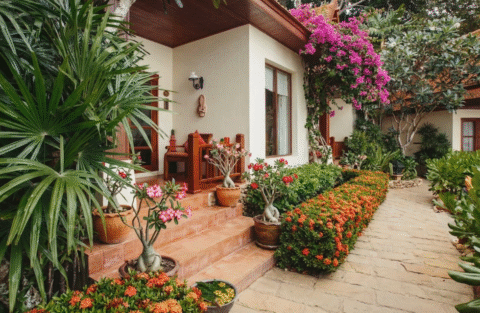
Few decorative outdoor plants make as bold and joyful a statement as Bougainvillea. With its cascading clusters of vivid blooms — ranging from deep magenta and fiery orange to soft pink and pristine white — Bougainvillea is a visual celebration of life and energy. In Vastu, it carries an equally vibrant energetic significance.
Why Bougainvillea is Vastu-Friendly:
Bougainvillea is considered one of the best outdoor climbing plants for the south and southeast boundaries of a home. Its dense, thorny growth makes it a natural protective barrier, while its exuberant blooms radiate positivity, warmth, and creative energy. It is among the hardiest best outdoor plants for Indian climate — thriving even in scorching Indian summers with minimal care.
Vastu Placement:
- Most auspicious along the south, southeast, or west boundary walls and fences
- Excellent as a green hanging plant or climbing plant over entrance archways, provided the entrance faces south or west
- Avoid heavy Bougainvillea growth over the northeast or north entrances, as its thorny nature can create energetic friction in these sensitive zones
What it brings to your home: Protective energy, vibrant positivity, creative stimulation, and a breathtaking visual presence that uplifts the mood of everyone who approaches your home. As one of the most popular outdoor plants for Indian summer gardens, it blooms most magnificently when the heat is at its peak — a true symbol of resilience and abundant energy.
Hibiscus — Prosperity and Devotion
The Hibiscus, known as Gurhal or Joba in Bengali tradition, is one of the most beloved vastu flower plants in Indian homes. Its large, trumpet-shaped blooms — most famously in deep red, though also found in pink, yellow, and white — have been used in daily worship, Ayurvedic medicine, and garden design for centuries.
Why Hibiscus is Vastu-Friendly:
In Vastu, Hibiscus — particularly the red variety — carries the fire energy of the sun. It is associated with devotion, prosperity, and the activation of positive solar energy around the home. Red Hibiscus is traditionally offered to Goddess Kali and Lord Ganesha, giving it a deeply sacred dimension beyond its ornamental value.
As one of the most reliable best outdoor plants for Indian climate, Hibiscus is exceptionally well-adapted to heat and humidity. It blooms prolifically through the warmer months, bringing a continuous stream of vibrant energy to your garden.
Vastu Placement:
- Ideal in the south, southeast, or east direction of the garden
- Particularly powerful near the puja room window or any east-facing garden bed
- Red Hibiscus in the southeast activates fire energy and is considered excellent for health and vitality
- Avoid placing it in the northeast, where its strong fire energy can overwhelm the subtle spiritual quality of the Ishaan corner
What it brings to your home: Prosperity, devotion, vibrant health energy, and a daily reminder of the sacred connection between nature and spirituality. It is also one of the most versatile flower plants — equally at home in a formal garden border, a terracotta pot, or a wildly blooming hedge.
Parijaat (Night Jasmine) — Fragrance, Positivity, and Divine Connection
Parijaat, also known as Harsingar or Night Jasmine (Nyctanthes arbor-tristis), is one of the most spiritually significant trees in Indian tradition. Its small, delicate white flowers with a saffron-orange stem bloom exclusively at night, carpeting the ground beneath the tree with a fragrant offering by morning. In Hindu mythology, the Parijaat is considered a divine tree — one of the treasures that emerged from the churning of the cosmic ocean.
Why Parijaat is Vastu-Friendly:
Parijaat holds a rare distinction in Vastu — it is considered auspicious, sacred, and deeply purifying all at once. Its nightly blooming is seen as a natural offering to the divine, and its extraordinary fragrance is believed to cleanse the surrounding atmosphere of negative energy while inviting positivity and spiritual awareness.
It is also one of the most treasured pet friendly house plants in outdoor settings, as it is non-toxic and its fallen flowers are safe for animals.
Vastu Placement:
- Most auspicious in the north, east, or northeast zone of the garden
- Traditionally planted in the courtyard or central garden where its fragrance can permeate the entire home
- Excellent as a standalone specimen tree in open garden spaces
- Avoid planting it in the south or southwest, where its gentle, spiritually uplifting energy may be overwhelmed by the heavy, protective quality of those directions
What it brings to your home: Divine connection, spiritual upliftment, natural fragrance therapy, emotional positivity, and a deeply moving daily ritual as its flowers bloom through the night and fall as offerings at dawn.
Aparajita — Calming and Spiritually Powerful
Aparajita (Clitoria ternatea), also known as Butterfly Pea, is a climbing plant of extraordinary beauty and spiritual significance. Its vivid blue-violet flowers — shaped like an eye or a butterfly’s wing — are among the most visually striking of all vastu flower plants. In Sanskrit, “Aparajita” means the unconquered or invincible one, reflecting the powerful protective energy this plant is believed to carry.
Why Aparajita is Vastu-Friendly:
In Vastu, Aparajita is considered a deeply calming and spiritually protective plant. Its cool blue-violet blooms carry water and sky energy — associated with clarity, peace, and the removal of mental obstacles. It is traditionally used in worship and is believed to ward off negative energies while creating a serene, spiritually charged atmosphere around the home.
As one of the more underappreciated outdoor climbing plants in Indian gardens, Aparajita deserves far more attention than it typically receives. It is hardy, fast-growing, and produces flowers prolifically — making it one of the best outdoor plants low maintenance options for Vastu-conscious gardeners.
Vastu Placement:
- Ideal as a climbing plant along east or northeast facing trellises, fences, or walls
- Works beautifully as a green hanging plant in east-facing balconies or garden boundaries
- Its calming energy makes it particularly well-suited near meditation spaces, puja areas, or quiet garden corners
What it brings to your home: Mental clarity, spiritual protection, emotional calm, and a visual serenity that few other flowering climbers can match. Its prolific blooming also ensures that your garden carries a continuous stream of positive, purifying energy through the growing season.
Mogra (Arabian Jasmine) — Peace and Emotional Well-Being
Mogra, the beloved Arabian Jasmine (Jasminum sambac), is perhaps the most emotionally evocative of all Indian garden plants. Its small, intensely fragrant white flowers have been woven into the fabric of Indian life for centuries — adorning hair, decorating temples, perfuming homes, and marking celebrations from weddings to festivals. In Vastu, Mogra is considered one of the most emotionally healing and harmonising outdoor plants for home placement.
Why Mogra is Vastu-Friendly:
The fragrance of Mogra is not merely pleasant — it is genuinely therapeutic. Studies in aromatherapy confirm what Indian tradition has always known: Jasmine fragrance reduces anxiety, lifts mood, improves sleep quality, and creates a sense of emotional safety and warmth. In Vastu terms, this translates to a plant that actively harmonises the emotional energy of the home and supports loving, peaceful relationships among residents.
Mogra is also one of the most recommended outdoor plants for Indian summer gardens — it blooms most abundantly in the heat, filling warm evenings with its incomparable fragrance.
Vastu Placement:
- Most auspicious in the north or northwest direction of the garden
- Excellent near bedroom windows facing north or east, where its evening fragrance drifts indoors
- Works beautifully as a green hanging plant or climbing shrub along north-facing boundary walls
- Avoid placing it in the south or southeast, where its gentle, water-element energy can conflict with the fire energy of those directions
What it brings to your home: Emotional harmony, peaceful relationships, stress relief, improved sleep, and a fragrant daily connection to the beauty of nature. As one of the most cherished flower plants online purchases in India, Mogra is a plant that genuinely transforms the feeling of a home.
Champa (Plumeria) — Attracting Positive Vibrations
Champa (Plumeria), known by various names across India — Frangipani in international botanical circles, Chafa in Maharashtra, and Champak in Bengal — is one of the most spiritually revered outdoor plants and trees in the Indian subcontinent. Its waxy, star-shaped flowers carry one of the most distinctive and uplifting fragrances in the plant kingdom, and in Vastu, it is considered a powerful attractor of positive vibrations and divine grace.
Why Champa is Vastu-Friendly:
Champa occupies a unique position at the intersection of beauty, spirituality, and Vastu energy. Its flowers are traditionally offered in temples, used in meditation practices, and believed to elevate the spiritual atmosphere of any space they inhabit. In Vastu, the Champa tree is associated with positive cosmic vibrations, creative energy, and the attraction of prosperity and divine favour.
As one of the most striking decorative outdoor plants for Indian homes, Champa also carries significant ornamental value — its sculptural branching structure and spectacular blooms make it a natural focal point in any garden.
Vastu Placement:
- Ideal in the west or southwest direction of the garden
- Works beautifully as a standalone specimen tree in open garden spaces
- Particularly auspicious near the main entrance when the entrance faces west or southwest
- Its moderate size makes it suitable for medium to large garden spaces without overwhelming smaller plots
What it brings to your home: Positive cosmic vibrations, creative energy, spiritual elevation, prosperity attraction, and an extraordinary fragrant presence that transforms any outdoor space into a place of beauty and peace.
A Quick-Reference Guide to Top Vastu Plants
Plant | Best Direction | Key Vastu Benefit | Maintenance Level |
Tulsi | Northeast, East | Spiritual protection, air purification | Low |
Bougainvillea | South, Southeast, West | Protection, vibrant energy | Very Low |
Hibiscus | South, Southeast, East | Prosperity, devotion, fire energy | Low |
Parijaat | North, East, Northeast | Divine connection, fragrance, positivity | Low |
Aparajita | East, Northeast | Calm, mental clarity, protection | Very Low |
Mogra | North, Northwest | Emotional harmony, peace, relationships | Low |
Champa | West, Southwest | Positive vibrations, creativity, prosperity | Low |
Each of these plants carries centuries of lived wisdom — grown in Indian soil, celebrated in Indian tradition, and proven through generations of experience to bring genuine positive energy to the homes they inhabit. Whether you choose to start with a single Tulsi plant in the northeast or gradually build a full Vastu garden across all directions, each step you take towards intentional, Vastu-aligned planting is a step towards a more harmonious and energy-rich home.
Section 5: Plants to Avoid Outdoors as Per Vastu
Every garden tells a story. The plants you choose, the corners you fill, the boundaries you define — all of it contributes to the energetic narrative of your home. Just as certain plants invite prosperity, health, and harmony, others — when placed incorrectly or chosen without Vastu awareness — can quietly disrupt the energy flow of your living space.
This section is not about fear or superstition. It is about understanding that plants, like all living things, carry specific energetic signatures. Some of those signatures harmonise beautifully with the energy of a home. Others, particularly in certain locations, can create friction, stagnation, or imbalance. Knowing which plants to avoid — and more importantly, why — is just as valuable as knowing which ones to welcome.
Why Certain Plants Can Disrupt Energy Flow
In Vastu Shastra, disrupted energy flow — or the obstruction of positive prana moving through and around a home — is the root cause of many of life’s challenges. Financial difficulties, health issues, relationship tensions, and a general sense of unease are all associated in Vastu with spaces where energy has become blocked, heavy, or misdirected.
Outdoor plants can contribute to energy disruption in several key ways:
- Through Excessive Height or Density in the Wrong Directions A large tree in the northeast, for example, physically and energetically blocks the flow of divine, positive energy into the most sacred corner of the property. Even the most auspicious tree — a Peepal, a Mango, a Banyan — becomes a Vastu concern when placed in a direction that calls for openness and lightness. The plant itself is not the problem; the placement is.
- Through Thorns and Sharp Energetic Edges Thorny plants carry a naturally defensive, sharp energy. While this quality is genuinely useful in the south and southwest — where protective energy is needed — the same sharpness becomes problematic near entrances, in the northeast, or along the north boundary. Vastu considers thorny plants near the main entrance or in the northeast as creators of conflict, arguments, and emotional friction within the household.
- Through Milky Sap and Chemical Emissions Several common garden plants produce a milky white latex sap when cut or broken. In Vastu tradition, plants with milky sap — like certain Euphorbia varieties — are considered energetically heavy and inauspicious for the home garden. This is not without a practical basis: many latex-producing plants are indeed toxic to humans and pet friendly house plants considerations make them doubly problematic for family homes.
- Through Weeping or Drooping Growth Habits Plants whose branches naturally droop downward — often called “weeping” varieties — are considered inauspicious in Vastu. The downward energy of weeping trees is associated with sadness, heaviness, and a dampening of positive momentum. While these plants may be beautiful in public parks or large landscapes, Vastu advises against them in the home garden.
- Through Association with Negative Symbolism Vastu draws deeply from Indian cultural and spiritual tradition. Certain plants carry centuries of symbolic association — with graveyards, mourning rituals, or inauspicious occasions — that make them energetically unsuitable for the home environment, regardless of their botanical properties.
Common Plants to Keep Away From Entrances and Boundaries
Here is a detailed look at the specific plants Vastu recommends avoiding in home gardens — particularly near entrances, in the northeast, and along sensitive boundaries.
Cactus and Thorny Succulents
Cacti are perhaps the most commonly misplaced plants in Indian home gardens. Their striking architectural forms and near-zero maintenance needs make them visually appealing and practically convenient. However, from a Vastu standpoint, cacti are among the most problematic outdoor plants for home placement.
The sharp spines of a cactus radiate what Vastu describes as “cutting energy” — a constant outward projection of defensive, aggressive vibrations. Placed near the main entrance or in the northeast, this energy is believed to create an atmosphere of conflict, irritability, and emotional distance among family members.
This does not mean cacti must be entirely banished from the home. Vastu suggests that if you love these plants, they can be kept in the south or southeast direction — where their sharp, fiery energy actually serves a protective purpose. What they must never be is a welcoming presence at your entrance or a dominant feature in your northeast or north garden zones.
The same principle applies to other heavily thorny plants placed in sensitive directional zones.
Babool (Acacia) and Other Thorny Trees
The Babool tree, with its sharp thorns and dense, scrubby growth, is specifically mentioned in several Vastu texts as an inauspicious plant for the home garden. Its thorny nature, combined with its tendency to grow in a somewhat wild and unruly manner, makes it energetically unsuitable for residential spaces — particularly near entrances or along the north and east boundaries.
Similarly, any large thorny tree planted in the wrong direction carries the risk of introducing conflict energy into the home environment.
Weeping Willow and Other Drooping Trees
The Weeping Willow is a tree of undeniable beauty — its long, cascading branches trailing gracefully towards the ground have inspired poets and painters across cultures. However, in Vastu, its downward-drooping growth habit makes it an inauspicious choice for the home garden.
The symbolism here is intuitive: energy, like water, follows the direction of flow. A tree whose entire form reaches downward is considered to pull the energy of the surrounding space in the same direction — creating heaviness, melancholy, and a gradual dampening of positive momentum in the household.
Other drooping or weeping tree varieties carry similar Vastu concerns and are better appreciated in public landscapes than in private home gardens.
Euphorbia (Spurge) and Milky Sap Plants
Euphorbia plants — a large and diverse family that includes many popular decorative outdoor plants like Crown of Thorns — combine two Vastu-unfavourable qualities: thorns and milky sap. This double combination makes them particularly inauspicious for home gardens according to Vastu principles.
Beyond the energetic concern, the practical dimension is equally important. Euphorbia sap is toxic and can cause severe skin irritation and eye damage. For homes with children or pets, these plants present real physical risks — making the Vastu caution doubly relevant for family homes.
If you are drawn to the sculptural quality of Euphorbia, Vastu suggests keeping them far from living spaces, entrances, and play areas — and never in the northeast or north zones.
Dead or Dying Plants
This is perhaps the most universally agreed-upon Vastu guideline for gardens: never allow dead, dying, or severely neglected plants to remain in your outdoor space. A dead plant is the energetic opposite of what a garden is meant to provide. Where a thriving plant radiates prana — life force, positive energy, and vitality — a dead or decaying plant absorbs and emanates the energy of decline.
Dried-up pots, withered hedges, brown and leafless shrubs left untended along boundaries — all of these create what Vastu describes as zones of stagnant, heavy energy. They are particularly harmful near the main entrance, where the first energy your home encounters each day should be alive, vibrant, and welcoming.
The remedy is simple: remove dead plants promptly, refresh the soil, and replace them with healthy, thriving garden plants that restore the living energy of the space.
Peepal Tree (in Certain Positions)
The Peepal tree (Ficus religiosa) occupies a paradoxical position in Vastu. It is one of the most sacred trees in Indian tradition — associated with Lord Vishnu, considered a seat of divine energy, and revered as a tree of enlightenment. And yet, Vastu specifically cautions against planting it too close to the home or in certain directional positions.
The concern is not with the Peepal’s energy itself — which is profoundly positive and spiritually powerful — but with its scale and root system. A fully grown Peepal tree is enormous, with an aggressive root system that can damage foundations, walls, and underground infrastructure. Vastu advises that if a Peepal is to be grown, it should be at a considerable distance from the main structure of the home, ideally in a large open garden or dedicated sacred space.
Planting a Peepal tree directly in front of or beside the home, particularly in the northeast or north, is specifically cautioned against.
Tamarind Tree
The Tamarind tree, despite its culinary value and generous shade, is considered inauspicious for the home garden in Vastu tradition. It is associated with a heavy, acidic energy — its very nature is sour and contracting — which is believed to suppress positive energy flow around the home. Tamarind is also traditionally associated with spirits and supernatural entities in several Indian folk traditions, adding a cultural dimension to the Vastu caution.
Tamarind trees are best appreciated in public spaces, farmlands, or roadsides — not in the intimate energy ecosystem of a home garden.
Palmyra Palm (Taal) and Cotton Plant
Both the Palmyra Palm and the Cotton Plant carry specific inauspicious associations in Vastu tradition. The Cotton Plant, with its white fluffy bolls, is associated with funeral and mourning rituals in Indian culture, making it energetically unsuitable for the home garden. The Palmyra Palm is similarly cautioned against in several regional Vastu traditions, particularly when planted close to the home’s entrance or in the northeast.
A Quick-Reference: Plants to Avoid and Why
Plant | Vastu Concern | Where It’s Most Problematic |
Cactus & thorny succulents | Sharp, conflict-inducing energy | Main entrance, northeast, north |
Babool (Acacia) | Thorny, unruly energy | North, east boundaries, entrance |
Weeping Willow | Downward, heavy energy | Entire home garden |
Euphorbia (milky sap) | Thorns + toxic sap energy | Northeast, north, entrance |
Dead or dying plants | Stagnant, declining energy | Anywhere in the garden |
Peepal (close to home) | Overpowering root system | Very close to home structure |
Tamarind | Heavy, acidic, suppressive energy | Entire home garden |
Cotton Plant | Mourning associations | Entire home garden |
The Golden Rule: Intention and Maintenance Matter Most
Beyond specific plant varieties, Vastu offers one overarching principle for the home garden: a well-tended, lovingly maintained garden of even modest plants is always more Vastu-positive than a neglected garden of supposedly auspicious ones.
The energy of a garden reflects the energy of its caretaker. When you tend your outdoor plants with regularity, remove dead growth promptly, water with care, and approach your garden as a living extension of your home’s well-being, you are actively participating in the creation of positive energy — regardless of which specific plants you have chosen.
Vastu is ultimately a science of harmony. It asks not for perfection, but for awareness, intention, and care. And nowhere is that care more visibly — and energetically — rewarded than in a thriving, lovingly tended home garden.
Section 6: Vastu Tips for Placing Plants at Your Main Entrance
Of all the spaces in and around your home, the main entrance holds a position of singular importance in Vastu Shastra. It is the primary gateway through which energy — cosmic, environmental, and human — enters your living space. Every person who crosses your threshold, every breeze that drifts in, every ray of morning light that falls across your doorstep — all of it passes through this one sacred point of entry.
In Vastu, the main entrance is called the Simha Dwara — the lion’s gate. It is the face your home presents to the world, and it is the first filter through which all incoming energy must pass. Get the entrance right, and positive energy flows freely into every corner of your home. Neglect it, and even the most carefully arranged interior Vastu cannot fully compensate for the imbalance at the door.
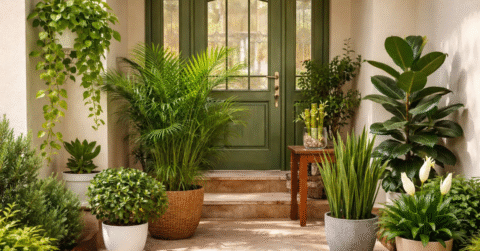
Plants at the main entrance are among the most powerful Vastu tools available to a homeowner. Placed thoughtfully, they create a living energy filter — welcoming abundance, deflecting negativity, and setting the energetic tone for everything that unfolds within.
Creating an Inviting, Energy-Rich Entryway
The first principle Vastu establishes for entrance plants is deceptively simple: the energy at your main entrance must feel welcoming, alive, and unobstructed. Before thinking about which specific plants to choose, consider the overall feeling your entrance currently creates.
Ask yourself:
- Does your entrance feel open and inviting, or cramped and cluttered?
- Are the plants near your entrance healthy and thriving, or struggling and neglected?
- Does the greenery frame and enhance the entrance, or does it crowd and overshadow it?
- Is there natural light reaching your entrance plants, or are they lost in shadow?
These questions matter because Vastu is fundamentally a science of felt experience. An entrance that feels welcoming to a human visitor is also welcoming to positive energy. An entrance that feels blocked, dark, or neglected repels both.
Practical Steps to Create an Energy-Rich Entryway:
Keep It Clean and Clutter-Free No amount of auspicious planting can compensate for a cluttered, dirty entrance. Vastu is unequivocal on this point: cleanliness is the foundation of positive energy flow. Sweep fallen leaves regularly, remove dead flowers and dried stems promptly, and ensure that pots and planters near the entrance are always in good condition — no cracked pots, no waterlogged soil, no overgrown and untidy growth spilling across the pathway.
Choose Living, Thriving Plants Every plant near your main entrance should be visibly healthy — lush, well-watered, and actively growing. A struggling or half-dead plant at the entrance is one of the most significant Vastu concerns in outdoor spaces. It signals — both energetically and practically — that the threshold of your home is a place of decline rather than vitality. If a plant at your entrance is not thriving in its current position, move it or replace it without hesitation.
Ensure Adequate Light Plants near the entrance need sufficient sunlight to thrive. In Vastu terms, a sunlit entrance is an energetically active entrance. If your main entrance faces north or northeast and receives limited direct sunlight, choose shade-tolerant plants that nonetheless maintain a lush, healthy appearance — Lucky Bamboo, certain Ferns, or Syngonium varieties work beautifully in lower-light entrance settings.
Use Fragrance Intentionally Vastu places enormous importance on the sensory quality of the entrance experience. Fragrant plants near the main entrance — Mogra, Jasmine, Parijaat, or Champa — do more than simply smell beautiful. Their fragrance actively elevates the energy of the space, creating an invisible but deeply felt welcome for both residents and guests. In aromatherapy terms, these fragrances trigger positive neurological responses — reducing stress, lifting mood, and creating a sense of safety and warmth. In Vastu terms, they purify the incoming energy before it crosses the threshold.
Incorporate Colour Thoughtfully The colours of flowers and foliage at your entrance carry their own energetic qualities. Vastu generally recommends bright, warm, and uplifting colours near the main entrance — yellows, oranges, pinks, and whites are particularly auspicious. Deep red flowers carry powerful energy but should be used in moderation at the entrance. Avoid predominantly dark or sombre coloured plants near the main door, as these can create a heavy, unwelcoming energy.
Symmetry, Size, and Selection — What Vastu Recommends
Beyond the general principles of cleanliness, vitality, fragrance, and colour, Vastu offers specific guidance on three critical aspects of entrance plant placement: symmetry, size, and selection.
Symmetry — The Language of Balance
One of the most visually and energetically impactful things you can do for your main entrance is to introduce symmetry in your plant placement. Vastu regards balanced, symmetrical arrangements as expressions of harmony — they signal to the energy entering your home that this is a space of order, intention, and equilibrium.
In practical terms, this means placing matching plants or planters on either side of the main entrance. Two identical terracotta pots with flowering plants, two symmetrically trimmed topiaries, or two matching Tulsi plants flanking the doorstep — each of these creates a visual and energetic frame around the entrance that is both welcoming and powerfully stabilising.
The symmetry principle extends to the pathway leading to the entrance as well. A garden path flanked by evenly spaced plants or flowering borders creates what Vastu describes as a channel for positive energy — guiding abundance and good fortune directly towards your door.
When perfect symmetry isn’t possible: Not every home allows for perfectly symmetrical entrance planting — architectural constraints, uneven spaces, or differently sized areas on either side of the door can make exact mirroring difficult. In such cases, Vastu recommends aiming for visual balance rather than strict symmetry. Two plants of similar height and density on either side of the entrance — even if not identical — create a sufficient sense of energetic equilibrium.
Size — Getting the Scale Right
The size of plants at the main entrance is a nuanced consideration in Vastu. The guiding principle is that entrance plants should complement and frame the entrance — not dominate, crowd, or overshadow it.
Too small and the plants lack the energetic presence needed to create a genuine threshold of positive energy. A few tiny seedlings in a large open entrance space create a sense of incompleteness and energetic thinness.
Too large and the plants begin to block, crowd, or overshadow the entrance — creating exactly the kind of energetic obstruction Vastu warns against. A large tree directly in front of the main door, for example, is considered one of the most significant entrance Vastu concerns, as it physically and energetically blocks the free flow of positive energy into the home.
The ideal size range for entrance plants is medium — plants that are noticeable and energetically present without overwhelming the space. Waist to shoulder-height plants in well-proportioned containers, neatly trimmed hedges that frame rather than block the pathway, or climbing plants trained to grow up and over an entrance archway (rather than across it) all represent the balanced sizing Vastu recommends.
Selection — Choosing the Right Plants for Your Entrance Direction
Perhaps the most specific Vastu guidance concerns which plants to choose based on the direction your main entrance faces. Different entrance directions have different energetic qualities, and the plants you choose should harmonise with those qualities rather than conflict with them.
North-Facing Entrance: The north entrance is governed by prosperity and career energy. Plants here should be lush, green, and gently fragrant — evoking abundance and flow. Lucky Bamboo in decorative pots on either side of a north entrance is a classic and deeply auspicious choice. Money Plant in hanging planters, Mogra in terracotta pots, or small ornamental green shrubs all work beautifully here. Keep the arrangement open and uncluttered — the north entrance benefits from a sense of spaciousness.
East-Facing Entrance: The east entrance receives the morning sun and is governed by health, vitality, and new beginnings. This is one of the most auspicious entrance directions in Vastu, and the plants here should celebrate that vitality. Tulsi in an elevated planter is the single most powerful choice for an east-facing entrance. Aloe Vera, small Hibiscus plants, and fragrant Jasmine varieties all thrive here both energetically and physically in the morning sunlight.
South-Facing Entrance: South-facing entrances require particular Vastu attention, as the south is governed by strong and potentially challenging energy. Plants here serve a protective and grounding function. Bougainvillea trained along the sides of the entrance (but not directly over the door), dense ornamental shrubs, and Hibiscus in warm colours work well for south-facing entrances. Avoid delicate or light-energy plants here — the south entrance needs strength and grounding.
West-Facing Entrance: The west entrance is associated with gains, creativity, and the rewards of effort. Plants here should be ornamentally rich, fragrant, and expressive. Champa in large decorative pots, Mogra climbing a trellis beside the entrance, or ornamental flowering shrubs in warm colours create a beautifully auspicious west-facing entrance. This direction also welcomes outdoor climbing plants trained along the walls flanking the entrance, adding a sense of natural abundance and creative energy.
Specific Entrance Plant Ideas by Pot and Placement Type
For homes where direct ground planting at the entrance isn’t possible, container gardening offers equally powerful Vastu benefits — provided the containers themselves are in good condition, appropriately sized, and well-maintained.
For Entrance Steps and Doorstep Placement:
- Tulsi in a traditional Vrindavan planter — sacred, air-purifying, and deeply auspicious
- Matching terracotta pots with seasonal vastu flower plants — refreshed with each season for continuous positive energy
- Small Lucky Bamboo arrangements in decorative ceramic pots
For Entrance Pathways and Garden Borders:
- Fragrant Mogra or Jasmine shrubs flanking the pathway — creating a fragrant welcome corridor
- Low ornamental hedges trimmed to frame the pathway symmetrically
- Seasonal flowering garden plants in alternating colours along the border — particularly yellows, whites, and pinks
For Entrance Walls, Trellises, and Archways:
- Aparajita climbing a trellis on the east side of the entrance — calming, beautiful, and spiritually uplifting
- Bougainvillea trained over a south or west-facing entrance archway — vibrant, protective, and visually spectacular
- Madhumalati (Combretum indicum) along entrance walls — its tricolour blooms transitioning from white to pink to red are considered particularly auspicious and visually joyful
For Hanging Planters Near the Entrance:
- Money Plant in green hanging planters on either side of the entrance — particularly auspicious for north and east-facing doors
- Spider Plant or trailing Syngonium in light-coloured hanging pots — bringing softness and air-purifying energy to the entrance zone
- Seasonal flowering green hanging plants in warm colours — adding visual movement and vibrant energy to the entrance space
What to Absolutely Avoid at the Main Entrance
Just as important as knowing what to plant is knowing what to keep away from your entrance. Vastu is particularly firm on these entrance-specific cautions:
- No thorny plants directly flanking the main door — cacti, Crown of Thorns, or thorny rose bushes placed immediately beside the entrance create conflict energy at the threshold
- No large tree directly in front of the main door — this is one of the most commonly cited Vastu entrance concerns, as it blocks the free flow of positive energy into the home
- No dead or dying plants near the entrance — ever. Replace them immediately
- No dark, sombre, or heavily drooping plants at the entrance — these create a heavy, unwelcoming energy that affects both the residents and the energy entering the home
- No overgrown or untrimmed plants that encroach on the pathway or doorway — these physically and energetically obstruct the entrance
The Entrance as an Energy Intention
Ultimately, Vastu’s guidance for entrance plants comes down to a single, elegant intention: your main entrance should feel like the most welcoming, alive, and positive spot in your entire property. It should make you — and everyone who approaches — feel uplifted, welcomed, and energised.
When you tend your entrance plants with that intention — choosing them thoughtfully, maintaining them lovingly, and arranging them with care — you are doing something far more profound than decorating a doorstep. You are setting the energetic tone for your entire home, creating a living threshold that actively invites the best that life has to offer across your doorstep, every single day.
Section 7: Outdoor Flowering Plants and Their Vastu Significance
There is something universally uplifting about a garden in bloom. The moment flowers open — whether it is the quiet unfurling of a Jasmine bud at dusk, the bold trumpet of a Hibiscus greeting the morning sun, or the riotous cascade of Bougainvillea spilling over a garden wall — something shifts in the atmosphere around them. The air feels lighter, the space feels more alive, and the human spirit responds with an instinctive sense of joy.
In Vastu Shastra, this intuitive response to flowering plants is not merely aesthetic or psychological — it is energetic. Flowers are considered among the most powerful natural transmitters of positive prana in the entire plant kingdom. Their colours, fragrances, forms, and seasonal rhythms all carry specific energetic signatures that interact with the directional energies of your home in profound and measurable ways.
Understanding the Vastu significance of outdoor flowering plants transforms the way you approach your garden. You stop simply choosing flowers for their visual appeal and begin selecting them as intentional energy tools — each bloom a living expression of the specific quality of life you wish to cultivate.
How Colourful Blooms Influence Mood and Positive Energy
Colour is one of the most immediate and powerful carriers of energy in the natural world. Long before colour psychology became a field of scientific study, Vastu Shastra had mapped the energetic qualities of colour with extraordinary precision — particularly as they relate to flowering plants in the home garden.
Each colour carries a specific vibrational frequency, and when that frequency is expressed through a living, blooming plant, it becomes a dynamic, continuously radiating source of that particular energy quality.
White Flowering Plants — Purity, Peace, and Spiritual Clarity
White is the colour of Sattva — the quality of purity, clarity, and spiritual luminosity in Indian philosophical tradition. White flowering plants in the home garden are considered among the most universally auspicious choices in Vastu, as they carry a clean, open, peaceful energy that harmonises with virtually every directional zone.
White vastu flower plants like Mogra, Parijaat, Aparajita (white variety), Kunda, and white Champa are particularly recommended for the northeast, north, and east zones of the garden. Their pure energy supports spiritual practice, mental clarity, emotional peace, and harmonious relationships.
In the context of outdoor plants for home Vastu placement, white flowering plants near the main entrance are considered especially auspicious — they create a welcoming, purified energy threshold that sets a positive tone for everything that enters the home.
Best white flowering plants for Vastu gardens:
- Mogra (Arabian Jasmine) — fragrant, peaceful, deeply harmonising
- Parijaat (Night Jasmine) — sacred, purifying, spiritually elevating
- Kunda flower plant — associated with purity and divine grace
- White Champa — spiritually uplifting with an extraordinary fragrance
- White Aparajita — calming, protective, and beautifully delicate
Yellow Flowering Plants — Optimism, Wisdom, and Abundance
Yellow is the colour of Jupiter — the planet of wisdom, expansion, and abundance in Vedic astrology. In Vastu, yellow flowering plants carry an energy of optimism, intellectual clarity, and material prosperity. They are considered particularly auspicious near the entrance and in the northeast and north zones of the garden.
Yellow blooms have a scientifically documented effect on human mood — they stimulate feelings of happiness, mental alertness, and creative energy. In Vastu terms, this translates to plants that actively elevate the mental and material energy of the household.
Best yellow flowering plants for Vastu gardens:
- Yellow Hibiscus — prosperity, solar energy, and vitality
- Yellow Marigold (Genda) — highly auspicious in Indian tradition, used in worship and celebration
- Yellow Allamanda — bright, vibrant, and deeply positive climbing plant
- Rain Lily (yellow variety) — delicate, joyful, and beautifully seasonal
- Yellow Bougainvillea — less common but extraordinarily striking and energetically uplifting
Red Flowering Plants — Vitality, Passion, and Protective Energy
Red is the colour of Mars and fire — carrying the energies of vitality, courage, passion, and protection. Red flowering plants in the Vastu garden are powerful activators of energy, particularly in the south, southeast, and east directions where fire energy is naturally present and welcome.
Red vastu flower plants are among the most commonly used in Indian religious and ceremonial contexts — red Hibiscus for Goddess worship, red roses for celebration, red Bougainvillea for boundary protection. Their powerful energy makes them excellent choices for activating stagnant garden zones and introducing dynamic, protective vitality.
However, Vastu advises moderation with red flowers near the main entrance and in the northeast — where their intense fire energy can create overstimulation rather than harmony. A touch of red is energising and beautiful; an overwhelming dominance of red at sensitive entry points can create restlessness and agitation.
Best red flowering plants for Vastu gardens:
- Red Hibiscus — the most sacred and widely used red vastu flower plant in India
- Red Bougainvillea — protective, vibrant, and extraordinarily resilient
- Red Ixora (Rangan) — auspicious, compact, and continuously blooming
- Red Rose — universally celebrated for love, beauty, and positive energy
- Poinsettia (red) — particularly auspicious during festive seasons
Pink Flowering Plants — Love, Harmony, and Emotional Warmth
Pink occupies a gentle and deeply harmonising position in the Vastu colour spectrum. It carries the warmth of red without its intensity, the purity of white without its austerity — making pink flowering plants some of the most universally welcome garden plants from a Vastu perspective.
Pink flowers are associated with love, compassion, emotional warmth, and harmonious relationships. They work beautifully in the northwest zone — which governs relationships and social connections — and near the main entrance, where their welcoming energy creates an atmosphere of warmth and hospitality.
Best pink flowering plants for Vastu gardens:
- Pink Mogra — softer and equally fragrant as white Mogra, with added warmth
- Pink Bougainvillea — one of the most popular decorative outdoor plants for Indian homes
- Pink Hibiscus — gentler than red Hibiscus, with a loving, harmonious energy
- Kalanchoe (pink) — compact, cheerful, and long-blooming
- Pink Rain Lily — delicate, seasonal, and deeply charming
Orange Flowering Plants — Enthusiasm, Creativity, and Auspicious Energy
Orange is the colour of sacred fire — the hue of the rising sun, of sacred flames, and of the marigold garlands that adorn temples and celebrations across India. In Vastu, orange flowering plants carry a deeply auspicious, enthusiastic, and creatively stimulating energy.
Orange blooms are considered particularly powerful near the main entrance — where their warm, welcoming energy creates an atmosphere of celebration and positive anticipation. They also work well in the southeast (fire corner) and west zones of the garden.
Best orange flowering plants for Vastu gardens:
- Orange Marigold — supremely auspicious in Indian tradition and extraordinarily easy to grow
- Orange Bougainvillea — dramatic, vibrant, and deeply protective
- Orange Hibiscus — energising, creative, and visually spectacular
- Champa (orange variety) — rare and extraordinarily beautiful with powerful positive vibrations
- Plumeria varieties with orange tones — uplifting and spiritually resonant
Purple and Blue Flowering Plants — Spiritual Depth, Intuition, and Calm
Purple and blue are the colours of Saturn and spiritual depth — associated with intuition, wisdom, meditation, and the quieter, more inward dimensions of life. Blue and purple flowering plants bring a calming, contemplative energy to the garden that is particularly welcome in spaces used for meditation, quiet reflection, or spiritual practice.
In Vastu, these cooler tones work beautifully in the east, northeast, and north zones of the garden, where their spiritual and calming qualities harmonise with the health, divine, and prosperity energies of those directions.
Best purple and blue flowering plants for Vastu gardens:
- Aparajita (Butterfly Pea) — the most celebrated blue vastu flower plant in India
- Lavender — deeply calming, fragrant, and spiritually resonant
- Blue Plumbago — elegant, profusely blooming, and wonderfully cooling
- Purple Bougainvillea — sophisticated, abundant, and energetically grounding
- Vinca (purple variety) — hardy, cheerful, and continuously blooming through Indian summers
Seasonal Flowering Plants Aligned With Vastu Principles
One of the most beautiful aspects of Vastu-aligned gardening is its natural alignment with the rhythms of the seasons. Rather than fighting nature to maintain year-round blooms, Vastu encourages working with the seasonal energy of the earth — welcoming each season’s flowering plants as an expression of that season’s unique energy quality.
In India, the gardening calendar divides broadly into three major seasonal windows, each offering its own palette of outdoor plants for Indian summer gardens and beyond.
Summer Flowering Plants (March — June)
Indian summers are intense — blazing sun, soaring temperatures, and the kind of heat that challenges both plants and people. And yet, some of the most spectacular outdoor plants for Indian summer gardens bloom precisely in this season, carrying the fierce, vital energy of summer fire into the Vastu garden.
Summer is the season of the sun — of maximum solar energy, fire element dominance, and the peak expression of yang energy. Summer flowering plants carry this dynamic, energising quality and are particularly powerful in the south, southeast, and east zones during these months.
Top Vastu-aligned summer flowering plants:
- Bougainvillea — reaches its most spectacular bloom in the heat of an Indian summer. Its vibrant colours and prolific flowering make it one of the most energetically powerful best outdoor plants for Indian climate choices for the summer garden.
- Hibiscus — thrives in summer heat and blooms prolifically, bringing continuous fire energy and devotional significance to the garden throughout the hottest months.
- Plumeria (Champa) — the summer heat awakens Champa’s most abundant blooming season. Its fragrant, waxy flowers fill the garden with positive vibrations through the long summer days.
- Vinca (Nayantara) — extraordinarily heat-tolerant and continuously blooming, Vinca brings cheerful, resilient energy to the summer garden in a range of beautiful colours.
- Portulaca — a low-growing, sun-loving flowering plant that carpets garden borders with jewel-bright blooms throughout summer. Its ability to thrive in the most intense heat makes it a symbol of resilient positivity.
- Ixora (Rangan) — clusters of tiny, intensely coloured flowers that bloom continuously through summer, carrying auspicious, devotional energy particularly valued in east and southeast garden zones.
Monsoon Flowering Plants (July — September)
The monsoon transforms the Indian landscape with breathtaking speed and generosity. After the parched intensity of summer, the rains arrive as a profound energetic reset — washing away accumulated heaviness, refreshing the earth’s energy, and awakening a new wave of flowering plants that carry the lush, abundant energy of the water element.
Monsoon is governed by the water element — associated in Vastu with abundance, emotional depth, and the free flow of positive energy. Monsoon flowering plants carry this quality in their very nature, blooming in response to rain and bringing the earth’s renewed vitality into the Vastu garden.
Top Vastu-aligned monsoon flowering plants:
- Aparajita (Butterfly Pea) — the monsoon is Aparajita’s peak season. Its vivid blue-violet flowers appear prolifically with the rains, bringing calming, spiritually purifying energy to east and northeast garden zones.
- Mogra (Arabian Jasmine) — while Mogra blooms through summer as well, its monsoon flowering carries a particular intensity and fragrance that fills the garden with extraordinary aromatic energy through the rainy months.
- Marvel of Peru (Sondhyamalati) — one of the most beloved monsoon flowering plants in Bengali gardens, Sondhyamalati opens its fragrant blooms at dusk, filling summer evenings and monsoon nights with a gentle, uplifting fragrance.
- Rain Lily — as its name suggests, Rain Lily blooms in immediate response to the first rains, appearing almost overnight in a joyful celebration of water energy. Its delicate blooms in white, pink, and yellow carry freshness and renewal.
- Parijaat (Night Jasmine) — reaches its most generous blooming during the monsoon months, carpeting the ground beneath it with fragrant white flowers every morning — a daily natural offering of extraordinary beauty and spiritual significance.
Winter Flowering Plants (October — February)
Indian winters bring a welcome coolness and a completely different flowering palette to the Vastu garden. The energy of winter is quieter, more inward, and more reflective than the dynamic intensity of summer or the lush abundance of the monsoon. Winter flowering plants carry a gentle, sustained positive energy that supports the slower, more contemplative rhythms of the cooler months.
Winter is also the season of India’s most spectacular festivals — Diwali, Christmas, Pongal, and Makar Sankranti all fall within the winter window, making the flowering garden a particularly meaningful and energetically significant space during these months.
Top Vastu-aligned winter flowering plants:
- Marigold (Genda) — the quintessential Indian winter flowering plant, Marigold blooms prolifically through the cool months and is considered deeply auspicious in Vastu. Its golden and orange blooms carry prosperity, celebration, and sacred energy — particularly powerful during the festival season.
- Rose — Indian winters are rose season, and few vastu flower plants carry the universal positive energy of a blooming rose garden. Roses in the west or northwest zone of the garden support loving relationships and creative abundance through the winter months.
- Chrysanthemum — profusely blooming winter flowers that carry cheerful, optimistic energy. Their wide range of colours makes them versatile Vastu additions to any directional zone of the winter garden.
- Petunia — cascading, colourful, and extraordinarily prolific in Indian winters. Petunias in hanging planters or garden borders bring continuous vibrant energy to the entrance and boundary zones of the winter garden.
- Poinsettia — with its dramatic red and white bracts, Poinsettia carries powerful festive energy through the winter season. Particularly auspicious during Christmas and the broader festival season, it brings warmth and celebration to the garden when the days are at their shortest.
- Gardenia — one of the most beautifully fragrant winter flowering plants, Gardenia’s creamy white blooms and extraordinary fragrance bring peace, purity, and spiritual clarity to the winter garden — particularly in north and northeast zones.
Creating a Year-Round Vastu Flowering Garden
The most energetically vibrant home gardens are those that maintain a continuous presence of flowering plants through all three seasons — ensuring that the positive energy contribution of blooms never falls silent, regardless of what the calendar says.
Achieving this in an Indian garden requires thoughtful seasonal planning — overlapping the tail end of one season’s flowering plants with the early bloomers of the next, maintaining a core of year-round flowering garden plants like Hibiscus and Ixora, and refreshing seasonal annuals with each changing season.
A garden that blooms continuously is a garden that continuously generates positive Vastu energy — a living, breathing source of colour, fragrance, and vitality that supports the well-being of your home through every season of the year.
The investment of care and attention that a year-round flowering garden requires is repaid many times over — not just in the visual beauty it brings to your outdoor space, but in the continuous stream of positive, living energy it introduces into the heart of your home.
Section 8: Climber and Creeper Plants — Vastu Do's and Don'ts
There is a particular magic to climbing plants. Watch how a Bougainvillea slowly conquers a boundary wall, how Aparajita threads its way up a trellis with quiet determination, how Madhumalati transforms a bare fence into a cascading curtain of tricolour blooms. Climbing and creeping plants possess a quality that no other plant category quite replicates — they move through space with intention, reaching upward, outward, and across, filling corners and covering surfaces in ways that fundamentally transform the character of an outdoor space.
In Vastu Shastra, this dynamic, directional quality of climbing plants makes them a particularly nuanced category. Their ability to grow extensively — covering walls, climbing structures, and spreading across large surfaces — means that their energetic influence is proportionally more expansive than that of a contained shrub or a potted plant. A climbing plant placed correctly becomes a powerful, continuous generator of positive Vastu energy across a large area of your garden. Placed incorrectly, that same expansive quality can amplify and spread disruptive energy just as effectively.
Understanding the Vastu principles governing outdoor climbing plants is therefore not just useful — it is essential for anyone serious about creating a genuinely harmonious outdoor space.
Which Climbing Plants Are Considered Auspicious Outdoors
Vastu identifies several climbing and creeping plants as deeply auspicious for the home garden — plants whose upward-reaching nature, flowering abundance, fragrance, and energetic qualities align beautifully with the positive energy requirements of specific directional zones.
Bougainvillea — The Protective Climber
Bougainvillea stands as the undisputed champion among auspicious outdoor climbing plants in Vastu. Its extraordinary combination of qualities — dense growth, thorny protective stems, prolific vibrant blooms, exceptional hardiness, and minimal maintenance requirements — makes it one of the most energetically powerful climbing plants available to the Indian gardener.
In Vastu terms, Bougainvillea’s climbing nature allows it to create an energetic shield across an entire boundary wall or fence — particularly valuable along the south and southwest boundaries where protective energy is most needed. Unlike a static shrub that provides point-specific energy, a well-established Bougainvillea climbing across the southern boundary creates a continuous, living wall of protective Vastu energy.
As one of the most celebrated best outdoor plants for Indian climate, Bougainvillea thrives in precisely the conditions that challenge other plants — intense heat, limited water, and direct sun. This resilience is itself an energetic quality that Vastu values: a plant that flourishes in adversity carries the energy of strength and persistence.
Vastu Placement:
- South, southeast, and west boundary walls and fences
- Over entrance archways facing south or west
- Along pergolas and garden structures in the south and west zones
- Available as flower plants online in an extraordinary range of colours — choose warm tones (red, orange, magenta) for south and southeast placement, cooler tones (pink, white, purple) for west placement
Vastu Energy Contribution: Protection, vibrant positivity, resilience, creative energy, and continuous visual joy through its extraordinary blooming seasons.
Aparajita (Butterfly Pea) — The Spiritual Climber
Aparajita holds a position of particular reverence among Vastu-aligned climbing plants. Its vivid blue-violet flowers — among the most strikingly beautiful of all climbing plant blooms — carry cool, calming, spiritually purifying energy that makes it ideal for the east and northeast zones of the garden.
What distinguishes Aparajita as a Vastu climbing plant is the quality of its energy — deeply sattvic (pure and elevating), spiritually clarifying, and emotionally calming. In a world where most climbing plants carry yang (active, outward) energy by virtue of their upward-reaching nature, Aparajita introduces a rare yin (receptive, inward) quality — making it a uniquely harmonising presence in the garden.
It is also one of the most genuinely best outdoor plants low maintenance climbing options available — fast-growing, adaptable, and prolifically flowering with minimal intervention. For gardeners who want powerful Vastu benefits without demanding care requirements, Aparajita is an outstanding choice.
Vastu Placement:
- East and northeast facing trellises, fences, and boundary walls
- Along the eastern side of entrance pathways
- Near meditation spaces, puja rooms, or any outdoor spiritual corner
- As a green hanging plant in east-facing balconies or verandahs
Vastu Energy Contribution: Spiritual purification, mental clarity, emotional calm, protection from negative energy, and a continuously renewed sense of peace and serenity.
Mogra and Jasmine Varieties — The Fragrant Climbers
The climbing varieties of Mogra and Jasmine — particularly Jasminum sambac (Mogra), Jasminum auriculatum (Jui), and the star-flowered Mogra — represent some of the most emotionally and energetically powerful outdoor climbing plants in the Vastu tradition.
Their extraordinary fragrance is the primary source of their Vastu power. As these climbing plants grow across trellises, walls, and fences, they transform the surrounding atmosphere with their scent — creating an invisible but profoundly felt field of positive, harmonising energy that extends well beyond the physical boundaries of the plant itself.
In Vastu, fragrance is understood as a form of energetic communication — a plant’s fragrance is its energy made perceptible to human senses. Jasmine fragrance, in particular, carries frequencies associated with emotional harmony, loving relationships, stress relief, and spiritual openness. A Jasmine climber growing along the north or northwest boundary of your garden is essentially creating a continuous, living aromatherapy treatment for your entire household.
Vastu Placement:
- North and northwest boundary walls, fences, and trellises
- Along the sides of north or east facing entrances
- Near bedroom windows facing north or east — allowing evening fragrance to drift indoors
- As climbing plants over pergolas in the north or northwest zone of the garden
Vastu Energy Contribution: Emotional harmony, loving and peaceful relationships, stress reduction, spiritual openness, and an extraordinary fragrant presence that transforms the feeling of the entire outdoor space.
Madhumalati (Combretum indicum) — The Tricolour Climber
Madhumalati is one of the most visually spectacular and energetically joyful of all Indian garden climbers. Its remarkable characteristic — flowers that open white, transition to pink, and deepen to red as they age, creating a simultaneous display of three colours on the same plant — gives it a uniquely dynamic and celebratory energy in Vastu terms.
In Vastu, the tricolour quality of Madhumalati is considered particularly auspicious — the simultaneous presence of white (purity), pink (love and harmony), and red (vitality and protection) creates a naturally balanced energetic expression that touches multiple positive energy qualities at once. It is a climber that seems to embody Vastu balance in its very botanical nature.
As one of the most vigorous and fast-growing outdoor climbing plants for Indian gardens, Madhumalati covers large surfaces quickly and blooms with extraordinary generosity — making it one of the most impactful choices for transforming a bare boundary wall or fence into a living, flowering Vastu asset.
Vastu Placement:
- West and northwest boundary walls, fences, and pergolas
- Along entrance pathways and garden boundaries facing west
- As a covering plant for large garden structures in the west and northwest zones
- Excellent for covering otherwise bare or energetically neutral boundary walls
Vastu Energy Contribution: Joy, celebration, balanced energy across multiple positive qualities, loving relationships, and a continuous visual delight that uplifts the mood of everyone who experiences it.
Allamanda — The Golden Climber
Allamanda, with its large, trumpet-shaped flowers in brilliant golden yellow, is one of the most energetically vibrant climbing plants available to the Indian gardener. Its bold, sun-drenched yellow blooms carry the prosperity-attracting, optimism-generating energy of Jupiter — making it a powerful Vastu asset particularly in the north and northeast zones of the garden.
As a climbing plant, Allamanda brings this golden, abundance-attracting energy across an extended surface area — amplifying its positive energetic contribution in proportion to its growth. A well-established Allamanda climbing across a north-facing garden wall is essentially creating a large, continuously radiating zone of prosperity energy.
Allamanda is also one of the most reliable best outdoor plants for Indian climate — it thrives in tropical and subtropical conditions, blooming prolifically through the warmer months and responding enthusiastically to India’s abundant sunshine.
Vastu Placement:
- North and northeast garden walls, trellises, and boundary fences
- Along the north side of entrance pathways
- Over garden pergolas in the north zone
- Note: Allamanda sap can be mildly irritating — keep away from areas frequented by small children and ensure it is not considered among pet friendly house plants options
Vastu Energy Contribution: Prosperity attraction, optimism, abundance energy, mental clarity, and a spectacular visual presence that radiates warmth and positivity.
Money Plant — The Abundance Climber
The Money Plant (Epipremnum aureum) is perhaps the most universally beloved of all lucky Vastu plants for home — and its climbing nature makes it particularly powerful when grown outdoors as a garden climber rather than simply as a potted indoor plant.
When allowed to climb freely outdoors — up a trellis, along a garden wall, or over a natural support — Money Plant develops larger, more vigorous leaves and carries proportionally stronger Vastu energy than its indoor counterpart. Its lush, heart-shaped leaves in variegated green and gold are considered in Vastu to be natural symbols of prosperity, abundance, and the generous flow of positive energy.
As an outdoor climber, Money Plant also serves as an excellent air purifying outdoor plant — its large leaf surface area actively improves air quality while simultaneously radiating its abundance-attracting Vastu energy.
Vastu Placement:
- North and northeast garden trellises and structures
- As a climbing plant along north-facing boundary walls
- Also works beautifully as one of the most popular green hanging plants near north or east-facing entrances
- Avoid training it to climb southward or over south-facing structures
Vastu Energy Contribution: Prosperity, abundance, financial positive energy, air purification, and a lush, continuously growing visual presence that symbolises the natural expansion of good fortune.
Kunda Flower Plant — The Sacred Climber
The Kunda flower plant — a climbing Jasmine variety with clusters of small, pure white blooms — occupies a particularly sacred position in Indian tradition. Associated with Lord Vishnu and considered one of the most spiritually pure of all flowering climbers, Kunda brings a deeply sattvic, spiritually elevating energy to any garden space it inhabits.
Its pure white flowers and gentle, sweet fragrance make it an ideal climbing plant for the northeast and east zones — where its spiritual purity aligns perfectly with the sacred, health-giving energy of those directions.
Vastu Placement:
- Northeast and east facing garden walls and trellises
- Near outdoor puja spaces or meditation corners
- Along the eastern boundary of the garden
Vastu Energy Contribution: Spiritual purity, divine grace, peaceful atmosphere, and a gently fragrant presence that elevates the spiritual quality of the entire garden space.
When Creepers Can Become a Vastu Concern
Just as the right climbing plants in the right positions create powerful zones of positive energy, creeping plants placed without Vastu awareness can become sources of energetic disruption. Understanding when and why creepers become a concern allows you to enjoy the beauty and coverage they provide while avoiding their potential negative effects.
When Creepers Grow Over the Roof
One of the most specific and universally agreed-upon Vastu cautions regarding climbing plants concerns their growth over the roof of the home. Vastu strongly advises against allowing any climber or creeper to grow over the roof of the main structure.
The reasoning is both practical and energetic. Practically, roots and tendrils penetrating roofing materials can cause structural damage over time. Energetically, a plant growing over the roof creates a literal and symbolic capping of the home’s energy — blocking the upward flow of positive prana and creating a sense of heaviness and suppression in the living space below.
If you have a beautiful climber growing up the exterior walls of your home — which is generally considered positive and auspicious — train it to stop at the roofline and prevent it from spreading across the top of the structure.
When Creepers Cover the Northeast Corner
As established throughout this guide, the northeast is the most sacred and energetically sensitive direction in Vastu. Any plant that grows densely over the northeast corner of the property — including climbing and creeping plants — risks blocking the flow of divine, positive energy into this critical zone.
Fast-growing climbers like certain Cucumber vines, dense Ivy varieties, or aggressive creepers that are not regularly pruned can quickly overwhelm the northeast corner, creating exactly the kind of energetic blockage Vastu is most concerned about in this direction.
The remedy is consistent pruning and maintenance — keeping any climbing plants in the northeast light, controlled, and well-managed rather than allowing them to grow into dense, heavy coverage.
When Creepers Are Left Untended and Overgrown
An overgrown, unmanaged creeper is one of the most common and most energetically problematic garden situations Vastu identifies. When a climbing plant is left to grow without direction — spreading randomly across surfaces, tangling over pathways, obscuring windows and doorways, or engulfing garden structures in an unruly mass of vegetation — it creates zones of stagnant, confused energy.
The energy of an overgrown creeper is essentially the energy of disorder — and disorder in the garden translates directly to disrupted energy flow in the home. Vastu’s response to this is straightforward: regular, intentional pruning is not just a garden maintenance task — it is an act of energetic management. When you prune a climbing plant with care and intention, you are actively directing its energy, maintaining the clarity and purposefulness of its Vastu contribution.
When Thorny Climbers Are Placed in Sensitive Directions
Thorny climbing plants — particularly certain Rose varieties and Bougainvillea — are deeply auspicious in Vastu when placed in appropriate directions (south, southeast, west). However, when these same thorny climbers are trained to grow in the northeast, north, or directly over the main entrance, their protective, sharp energy becomes disruptive rather than beneficial.
The thorns that make Bougainvillea an excellent protective plant along the south boundary become a source of conflict energy when that same Bougainvillea is trained to climb over a north-facing entrance archway. The plant hasn’t changed — but its interaction with the directional energy it now inhabits has shifted entirely.
When Climbers with Milky Sap Are Used Near Living Areas
Certain climbing plants — including some Euphorbia varieties used ornamentally — produce milky sap that is toxic to both humans and animals. Beyond the Vastu concern about milky sap plants the practical dimension of having toxic climbing plants near living areas, children’s play spaces, or pet-frequented garden zones creates a genuine safety concern that compounds the energetic one.
When selecting outdoor climbing plants for areas near living spaces, always verify that your chosen climber is safe for the members of your household — including the four-legged ones. Prioritising pet friendly house plants among your climbing plant selections ensures that your Vastu garden is not just energetically harmonious but physically safe for everyone who enjoys it.
A Quick-Reference Guide to Vastu Climbing Plants
Climbing Plant | Auspicious Direction | Key Vastu Benefit | Maintenance Need |
Bougainvillea | South, Southeast, West | Protection, vibrant energy | Very Low |
Aparajita | East, Northeast | Spiritual calm, clarity | Very Low |
Mogra / Jasmine | North, Northwest | Emotional harmony, fragrance | Low |
Madhumalati | West, Northwest | Joy, balanced energy | Low |
Allamanda | North, Northeast | Prosperity, abundance | Low-Medium |
Money Plant | North, Northeast | Financial energy, abundance | Very Low |
Kunda | Northeast, East | Spiritual purity, divine grace | Low |
The Art of Intentional Climbing
There is something deeply meditative about training a climbing plant — guiding its tendrils to the trellis, coaxing a new shoot in the right direction, pruning the growth that has wandered away from where you want it. In Vastu terms, this act of intentional guidance is itself a form of energetic practice.
When you work with your climbing plants consciously — placing them in directions that align with their energetic nature, training their growth with care, maintaining them with regularity — you are participating in a continuous, living act of Vastu alignment. Your garden becomes not just a beautiful space, but a thoughtfully composed energy landscape where every climbing stem, every flowering tendril, and every fragrant bloom is working in service of your home’s harmony and well-being.
The climbing plants in your garden are reaching upward and outward — towards the light, towards the sky, towards the open energy of the cosmos. When you place them wisely, they carry your home’s energy upward with them.
Section 9: Pet-Friendly Outdoor Vastu Plants for Families
There is a particular kind of joy that fills a home where both plants and pets thrive side by side. The sight of a cat napping beneath a fragrant Mogra bush, a dog padding contentedly through a garden path bordered by flowering shrubs, or children playing freely among green, blooming plants — this is the picture of a truly harmonious family home. In Vastu terms, it is also a picture of balanced, vibrant, living energy at its most complete.
However, creating a garden that is simultaneously Vastu-aligned, beautifully planted, and genuinely safe for pets and children requires a layer of awareness that goes beyond directional placement and elemental balance. It requires knowing which plants carry both auspicious Vastu energy and a clean safety profile for the animals and little ones who share your outdoor space.
This section bridges that gap — bringing together the wisdom of Vastu plant selection with the practical responsibility of pet and child safety, so that your family garden can be a space of joy, beauty, and complete peace of mind.
Understanding the Overlap Between Vastu and Pet Safety
The relationship between Vastu plant wisdom and pet safety is more harmonious than many people realise. When you examine the plants that Vastu considers most auspicious for the home garden — Tulsi, Parijaat, Mogra, Aparajita, Lucky Bamboo, Money Plant, Hibiscus, and others — a striking pattern emerges: the vast majority of these deeply auspicious lucky Vastu plants for home are also non-toxic and safe for animals.
This is not a coincidence. Vastu Shastra, at its deepest level, is a science of life-supporting energy. Plants that carry genuinely positive, life-affirming energy tend, by their very nature, to be plants that support rather than threaten living beings. The same qualities that make a plant energetically auspicious in Vastu — its vitality, its fragrance, its healing properties, its sacred associations — are often the very qualities that make it safe and beneficial for the animals that live alongside us.
Conversely, many of the plants Vastu cautions against — those with thorns in sensitive positions, those with milky sap, those with heavy or suppressive energy — also tend to be plants that present genuine physical risks to pets and children.
Understanding this natural alignment gives families a powerful double filter for garden plant selection: choose plants that are both Vastu-auspicious and pet-safe, and you are choosing plants that support the well-being of your entire household — human and animal members alike.
Safe, Auspicious Plants for Homes With Pets and Children
Here is a comprehensive guide to the most celebrated pet friendly house plants that also carry strong Vastu-positive energy — organised by their primary Vastu quality and directional recommendation.
Tulsi (Holy Basil) — Sacred, Safe, and Healing
Tulsi stands at the top of virtually every list of auspicious outdoor plants for home Vastu placement, and it is equally celebrated for its safety profile with pets and children. As a culinary and medicinal herb with centuries of documented use in Indian households — including in the preparation of herbal teas, medicinal preparations, and daily worship rituals — Tulsi is as safe as any plant in the home garden.
Beyond its safety, Tulsi actively contributes to the health of both humans and animals in the immediate environment. Its remarkable air-purifying qualities — releasing oxygen abundantly and known to reduce airborne bacteria and pollutants — create a healthier environment for every living being in its vicinity.
For families with pets who enjoy exploring the garden, a Tulsi plant in the northeast or east zone offers the reassurance of knowing that even if a curious dog sniffs at it or a cat brushes past it, there is no risk of harm.
Pet safety: Safe for most pets. The strong aromatic oils in Tulsi may be mildly deterrent to some animals — most pets naturally avoid eating large quantities of strongly aromatic herbs.
Vastu benefit: Spiritual protection, air purification, health energy, divine blessings, and the most powerful sacred presence available in the home garden.
Parijaat (Night Jasmine) — Safe, Sacred, and Fragrant
Parijaat is one of the most genuinely family-friendly of all Vastu-auspicious trees. Its fallen flowers — which carpet the ground every morning in a fragrant, sacred offering — are completely safe for pets and children who inevitably come into contact with them during outdoor play and exploration.
This is particularly significant because Parijaat’s most distinctive quality is precisely this daily abundance of fallen flowers at ground level — the exact zone where pets and small children spend most of their time. A family with dogs, cats, or young children can enjoy the extraordinary beauty and spiritual significance of a Parijaat tree with complete peace of mind.
Pet safety: Non-toxic. Fallen flowers safe for animals and children.
Vastu benefit: Divine connection, spiritual elevation, natural fragrance therapy, positivity, and the extraordinary daily ritual of its night-blooming, morning-falling flowers.
Mogra (Arabian Jasmine) — Fragrant, Gentle, and Family-Safe
Mogra’s reputation as one of the most emotionally harmonising vastu flower plants is matched by its excellent safety profile for family homes with pets. Unlike some strongly fragrant plants whose essential oils can be problematic for sensitive animals, Mogra’s gentle fragrance is well-tolerated and its plant material is non-toxic to dogs and cats.
For families seeking a climbing or bushy flowering plant that brings fragrant positive energy to the north or northwest garden zone without any concern for pet safety, Mogra is an outstanding choice. Its cascading fragrant blooms create an atmosphere of peace and loving harmony that benefits every member of the household — including the four-legged ones.
Pet safety: Non-toxic to dogs and cats. Safe for families with children.
Vastu benefit: Emotional harmony, peaceful relationships, stress relief, improved sleep, and continuous fragrant positive energy through blooming season.
Aparajita (Butterfly Pea) — Beautiful, Safe, and Spiritually Powerful
Aparajita’s vivid blue-violet blooms and gentle climbing nature make it one of the most beautiful outdoor climbing plants in the family garden — and its non-toxic profile makes it one of the safest. As a plant that has been used in traditional Indian medicine and even as a natural food colouring in South and Southeast Asian cuisine, Aparajita carries an exceptionally clean safety record.
For families with pets who tend to nibble on garden plants — a habit many dogs and some cats are prone to — Aparajita offers the reassurance of knowing that casual nibbling presents no serious risk. This peace of mind allows the family garden to be a genuinely relaxed, joyful space rather than a zone of constant vigilance.
Pet safety: Non-toxic. Used in traditional food and beverage preparation. Safe for families with pets and children.
Vastu benefit: Mental clarity, spiritual protection, emotional calm, and a continuously blooming beautiful presence in east and northeast garden zones.
Hibiscus — Colourful, Nourishing, and Safe
Hibiscus carries a delightful distinction in the family garden: it is not only non-toxic to pets but is actively used as a health-supporting herb for both humans and animals in traditional wellness practices. Hibiscus tea — made from the dried flowers — is consumed globally for its health benefits, and the flowers are similarly safe and even beneficial when encountered by curious pets in the garden.
For families seeking vibrant, continuously blooming vastu flower plants in warm colours for the south, southeast, or east zones of the garden, Hibiscus offers the ideal combination: powerful Vastu energy, spectacular visual presence, and complete safety for every member of the family.
Pet safety: Non-toxic to dogs and cats. Flowers are safe and mildly beneficial.
Vastu benefit: Prosperity, devotion, fire energy activation, health vitality, and a spectacular blooming presence that carries sacred significance in Indian tradition.
Lucky Bamboo — Elegant, Easy, and Family-Safe
Lucky Bamboo holds a beloved position among lucky Vastu plants for home — its association with prosperity, positive energy, and good fortune makes it one of the most widely kept plants in Indian households. And for family homes with pets, it carries the additional reassurance of being non-toxic and safe.
True Lucky Bamboo (Dracaena sanderiana) is safe for most pets, though it is worth noting that it should not be confused with certain other Dracaena varieties that can be mildly toxic. When purchasing Lucky Bamboo for the family garden, ensure you are selecting the authentic variety from a trusted source.
As an outdoor plant in the north or northeast zone, Lucky Bamboo brings elegant prosperity energy while remaining a gentle, safe presence for the animals and children who share the garden space.
Pet safety: Non-toxic. Safe for dogs and children. Use with mild caution around cats — large quantities may cause mild digestive upset in some felines.
Vastu benefit: Prosperity, positive energy flow, career growth support, and an elegant, continuously growing presence in north and northeast garden zones.
Bougainvillea — A Special Case for Pet-Friendly Gardens
Bougainvillea deserves special mention in the context of pet friendly house plants because it occupies a nuanced middle ground. As a Vastu plant, it is extraordinarily auspicious — one of the most powerful protective and energetically vibrant choices for south, southeast, and west garden zones. As a family garden plant, however, it requires thoughtful placement due to its thorny stems.
The thorns of Bougainvillea present a physical — rather than toxic — concern for pets and children. The plant itself is non-toxic, meaning ingestion of flowers or leaves does not pose a poisoning risk. However, its sharp thorns can scratch or injure curious animals and children who brush against them.
The family-friendly approach to Bougainvillea is thoughtful placement: grow it along boundary walls and fences where its protective Vastu energy is most needed and most powerfully expressed, while ensuring it is not trained through areas where pets and children regularly play or move. At height, along a boundary wall, Bougainvillea is a magnificent and completely family-compatible Vastu plant. At ground level, through a play area, it requires more careful management.
Pet safety: Non-toxic but physically thorny. Safe when placed thoughtfully away from play areas.
Vastu benefit: Powerful protection, vibrant energy, resilience, and extraordinary visual presence along south and southwest boundaries.
Rose — Beloved, Beautiful, and Safely Thorny
Like Bougainvillea, the Rose occupies a special place in the family Vastu garden. Non-toxic in terms of plant chemistry — rose petals are actually edible and used in culinary and wellness preparations across cultures — the Rose’s primary family garden consideration is its thorns rather than any toxic risk.
As a vastu flower plant, the Rose carries universally positive energy — associated with love, beauty, harmony, and the gentle but powerful force of emotional well-being. In the west and northwest zones of the garden, blooming Roses support loving relationships and creative abundance throughout the winter blooming season.
For family gardens, choose climbing or bush Rose varieties that can be positioned along boundary fences and garden edges rather than through play areas, and enjoy the extraordinary beauty and Vastu energy they bring with complete confidence in their safety.
Pet safety: Non-toxic. Thorns require thoughtful placement. Rose petals are safe and edible.
Vastu benefit: Love, harmony, emotional well-being, creative abundance, and a timeless beauty that elevates the energy of any garden zone.
Marigold (Genda) — Joyful, Protective, and Completely Safe
The humble Marigold — so deeply woven into the fabric of Indian celebration, worship, and daily life — is one of the most genuinely family-friendly of all garden plants. Non-toxic, vibrantly colourful, extraordinarily easy to grow, and deeply auspicious in Vastu tradition, Marigold is the ideal choice for families seeking safe, meaningful flowering plants for their outdoor spaces.
Beyond its non-toxic safety profile, Marigold carries an additional family-friendly quality: its distinctive scent actively repels many common garden pests — including mosquitoes — making it a natural protective presence in outdoor spaces where children and pets play.
Pet safety: Non-toxic. Actively repels pests. Safe for all family members.
Vastu benefit: Auspicious, celebratory energy particularly during festival seasons, prosperity attraction, vibrant positive energy in warm golden and orange tones, and a continuously blooming winter presence.
Banana Plant — Generous, Sacred, and Safe
The Banana plant holds a position of deep sacred significance in Indian tradition — its leaves are used in worship, its fruit is offered at temples, and its presence in the home garden is considered highly auspicious in Vastu. For family homes with pets, it carries the additional virtue of being completely non-toxic — every part of the Banana plant, from its broad leaves to its fruit, is safe for animals and children.
Its large, dramatic leaves create a lush, tropical presence in the east zone of the garden, where Vastu recommends it for its health-supporting and prosperity-attracting energy. For families with dogs who enjoy chewing on garden plants, the Banana plant’s broad, safe leaves make it a particularly worry-free choice.
Pet safety: Completely non-toxic. All parts safe for animals and children.
Vastu benefit: Health energy, prosperity, sacred significance, and a generous, dramatic visual presence that transforms the east zone of the family garden.
Plants to Approach With Caution in Family Gardens
While the focus of this section is on safe, auspicious choices, a responsible guide to the pet friendly house plants dimension of Vastu gardening must also acknowledge the plants that require extra caution in family settings — even when they carry genuine Vastu auspiciousness.
Allamanda — While energetically auspicious for north and northeast zones, Allamanda’s sap is mildly toxic and can cause digestive issues in pets and skin irritation in children. Place it in zones that are not regularly accessed by pets and children, or choose an alternative prosperity-attracting plant for these areas in family homes.
Certain Euphorbia varieties — As discussed in Section 5, Euphorbia’s milky sap is genuinely toxic and should be kept entirely out of family gardens with pets and young children, regardless of any ornamental appeal.
Oleander — While sometimes used as a garden plant in Indian landscapes, Oleander is highly toxic to both animals and humans and has absolutely no place in a family garden with pets or children.
Peace Lily — A popular indoor plant that sometimes finds its way into sheltered outdoor spaces. Peace Lily is toxic to cats and dogs and should be kept well out of reach in any household with these animals.
Creating a Complete Family Vastu Garden
The vision of a complete family Vastu garden — one that is simultaneously energetically aligned, visually beautiful, and safe for every member of the household — is entirely achievable. The key is layering your plant selection process through multiple filters simultaneously:
First, ask: Is this plant Vastu-auspicious for the direction I intend to place it?
Then ask: Is this plant safe for the pets and children in my family?
Finally ask: Is this plant well-suited to the Indian climate and the specific growing conditions of my garden?
Plants that pass all three filters — and there are many excellent ones, as this section demonstrates — are your ideal family Vastu garden plants. They create a space that nourishes the energy of your home, protects and delights your family, and thrives naturally in the environment you provide.
When your garden achieves this triple alignment — energetically wise, family safe, and naturally thriving — it becomes something truly special. Not just a beautiful outdoor space, and not just a Vastu-aligned energy landscape, but a living, breathing expression of everything a family home is meant to be: a place of safety, joy, abundance, and deep, abiding well-being for every soul — human and animal — who calls it home.
Quick Reference: Pet-Friendly Vastu Plants at a Glance
Plant | Pet Safety | Vastu Direction | Primary Vastu Benefit |
Tulsi | Safe | Northeast, East | Spiritual protection, air purification |
Parijaat | Safe | North, East, Northeast | Divine connection, fragrance, positivity |
Mogra | Safe | North, Northwest | Emotional harmony, peaceful relationships |
Aparajita | Safe | East, Northeast | Spiritual calm, mental clarity |
Hibiscus | Safe | South, Southeast, East | Prosperity, devotion, vitality |
Lucky Bamboo | Safe | North, Northeast | Prosperity, positive energy flow |
Bougainvillea | Non-toxic, thorny | South, Southeast, West | Protection, vibrant energy |
Rose | Non-toxic, thorny | West, Northwest | Love, harmony, emotional well-being |
Marigold | Safe | All zones, festive | Celebration, prosperity, pest repellent |
Banana Plant | Completely safe | East | Health, prosperity, sacred energy |
Section 10: Low-Maintenance Vastu Plants for Busy Homeowners
Modern life moves fast. Between work commitments, family responsibilities, and the relentless pace of daily routines, the idea of maintaining an elaborate, high-maintenance garden can feel more like an additional source of stress than a source of joy. And yet the desire for a green, beautiful, energetically harmonious outdoor space remains — because somewhere, at a deeper level, we all understand that nature restores what daily life depletes.
This is where the wisdom of low-maintenance Vastu gardening becomes particularly valuable. The truth — one that experienced gardeners have always known — is that the most powerfully auspicious plants in the Vastu tradition are rarely the most demanding ones. Nature’s most generous plants tend also to be her most resilient. The same life force that makes Tulsi spiritually powerful also makes it extraordinarily hardy. The same vitality that makes Bougainvillea energetically vibrant also makes it thrive on neglect. The same abundance that makes Money Plant a Vastu favourite also makes it grow enthusiastically with minimal intervention.
For busy homeowners who want a Vastu-aligned garden without the burden of intensive daily care, this section offers a carefully curated guide to the best outdoor plants low maintenance options that deliver maximum energetic benefit with minimum effort.
The Vastu Case for Low-Maintenance Plants
Before exploring specific plant recommendations, it is worth understanding why low-maintenance plants are not just a practical convenience but a genuinely sound Vastu choice.
In Vastu Shastra, the energy of a garden is directly influenced by the condition of its plants. A thriving, healthy garden radiates positive prana abundantly. A struggling, neglected garden — regardless of how auspicious its plant selection might be on paper — radiates the energy of decline and stagnation.
Here lies the core argument for low-maintenance Vastu gardening: a modest garden of genuinely thriving, well-suited plants always generates more positive Vastu energy than an ambitious garden of struggling, over-demanding ones. A single healthy, blooming Bougainvillea along the south boundary contributes more protective Vastu energy than an elaborate arrangement of high-maintenance flowering plants that are perpetually wilting, disease-prone, or struggling with the wrong growing conditions.
Choosing plants that are naturally well-adapted to your climate, your soil conditions, and your available care time is therefore not a compromise of Vastu principles — it is an expression of them. It is the choice that ensures your garden remains what Vastu requires it to be: alive, vibrant, and continuously radiating positive energy.
Outdoor Plants That Bring Good Energy Without Demanding Much Care
Here is a comprehensive guide to the finest low-maintenance Vastu plants for Indian home gardens — plants that combine powerful energetic benefits with the kind of easygoing, self-sufficient nature that busy homeowners genuinely need.
Bougainvillea — The Ultimate Low-Maintenance Vastu Powerhouse
If there is one plant that perfectly embodies the union of Vastu power and low-maintenance ease, it is Bougainvillea. This extraordinary climbing and sprawling plant has earned its place as one of the most beloved decorative outdoor plants in Indian gardens precisely because it asks so little while giving so much.
Bougainvillea thrives on what most plants would consider neglect. It blooms most spectacularly when its water is restricted, it handles the most intense Indian summer heat without complaint, it grows vigorously in poor soil, and it requires pruning only occasionally to maintain its shape and encourage fresh flowering cycles. For the busy homeowner, it is practically self-sufficient once established.
From a Vastu perspective, its energetic credentials are equally impressive. As one of the most powerful protective and vitality-generating outdoor climbing plants for the south, southeast, and west zones, Bougainvillea works tirelessly on behalf of your home’s energy without requiring tireless work from you.
Care requirements: Watering once or twice a week during establishment, transitioning to once a week or even less once mature. Minimal fertilising. Occasional pruning to shape and encourage fresh flowering. Full sun preferred — the more direct sunlight it receives, the more abundantly it blooms.
Vastu benefit: Protection, vibrant positive energy, resilience, and continuous seasonal blooming in the south, southeast, and west zones.
Snake Plant (Sansevieria) — The Effortless Air Purifier
The Snake Plant — known by various names including Mother-in-Law’s Tongue and Viper’s Bowstring Hemp — is one of the most genuinely indestructible plants in the horticultural world. It tolerates low light, irregular watering, poor soil, and significant temperature variations with a philosophical equanimity that gardeners of all skill levels deeply appreciate.
As one of the most effective air purifying outdoor plants available, Snake Plant earns its Vastu credentials through its extraordinary capacity to cleanse the surrounding atmosphere of toxins and pollutants while releasing oxygen — even through the night, which is a quality very few plants possess.
In Vastu terms, the Snake Plant’s upward-pointing, sword-shaped leaves carry protective, boundary-setting energy — creating a sense of clarity and definition in the spaces where it grows. Placed in the east or south zones of the outdoor garden, it works quietly and continuously as an energetic protector and air quality guardian.
Care requirements: Extremely drought-tolerant — water only when the soil is completely dry, typically once every two to three weeks. Tolerates low to moderate light. Virtually pest-free. One of the most genuinely best outdoor plants low maintenance choices for any Indian garden.
Vastu benefit: Air purification, protective energy, boundary clarity, and continuous oxygen generation even through the night hours.
Aloe Vera — The Healing Sentinel
Aloe Vera is simultaneously one of the most medicinally valuable, Vastu-auspicious, and low-maintenance plants available to the Indian gardener. Its thick, succulent leaves store water with extraordinary efficiency — allowing it to survive long periods without irrigation, making it an ideal choice for busy homeowners who may not always maintain regular watering schedules.
As a plant for home Vastu purposes, Aloe Vera in the east zone supports the health-giving energy of that direction while simultaneously providing a practical household resource — its gel is a renowned remedy for burns, skin irritation, and various minor ailments.
Its compact, architectural form also makes it one of the most versatile decorative outdoor plants for Indian gardens — equally at home in a terracotta pot near the entrance, in a garden border, or as part of a mixed succulent planting.
Care requirements: Water once every one to two weeks — less in cooler months. Well-draining soil essential. Prefers full sun to partial shade. Virtually maintenance-free once established, requiring only occasional removal of outer leaves that have dried naturally.
Vastu benefit: Health energy, healing properties, east zone activation, and a practical medicinal resource for the household.
Money Plant (Pothos) — Abundance on Autopilot
The Money Plant is perhaps India’s most forgiving garden plant — and its forgiveness extends across an extraordinary range of growing conditions. It grows in soil, in water, in bright light, in deep shade, trailing along the ground, climbing up a trellis, or cascading from a hanging planter. It is, quite simply, one of the most adaptable and self-sufficient outdoor plants for home placement available.
Its Vastu credentials as one of the most celebrated lucky Vastu plants for home are well established throughout this guide. What makes it particularly valuable for busy homeowners is that its low-maintenance nature means its Vastu energy is consistently available — a Money Plant in the north zone of your garden is reliably generating prosperity energy whether you have given it devoted attention this week or not.
As one of the most popular green hanging plants in Indian homes, Money Plant in hanging planters near north or east-facing areas of the garden brings its abundance-attracting energy to eye level — where its lush, trailing growth creates a continuous visual reminder of the natural abundance that Vastu seeks to cultivate.
Care requirements: Water when the top inch of soil feels dry — roughly once a week in summer, less in cooler months. Tolerates a wide range of light conditions. Occasional trimming to manage growth direction and encourage bushiness. Virtually pest-resistant and disease-free.
Vastu benefit: Prosperity, abundance, financial positive energy, and a lush, continuously growing visual presence in north and northeast garden zones.
Tulsi (Holy Basil) — Sacred Simplicity
For all its extraordinary spiritual and energetic significance, Tulsi is a remarkably unfussy plant that asks very little of its caretaker. It grows readily from seeds or cuttings, establishes quickly in garden soil, thrives in the warm, sunny conditions that characterise most of India for most of the year, and requires only basic care to remain healthy and vibrant.
The primary care consideration for outdoor Tulsi is consistent but not excessive watering — it prefers evenly moist soil but dislikes waterlogging. Beyond that, it is a self-sufficient plant that grows enthusiastically with minimal intervention.
For busy homeowners seeking the most powerful possible Vastu plant for the northeast or east zone of their garden, Tulsi offers the ideal combination: unparalleled Vastu energy delivered through a plant that fits comfortably into even the most time-pressed gardening routine.
Care requirements: Water every two to three days in summer, less frequently in cooler and monsoon months. Full sun preferred — at least four to six hours of direct sunlight daily. Regular pinching of flower buds extends the plant’s productive life and encourages bushier growth. Replace plants annually or biannually as Tulsi is naturally short-lived.
Vastu benefit: Spiritual protection, air purification, sacred energy, divine blessings, and the most powerful Vastu presence available in the northeast and east zones.
Hibiscus — Blooming Abundantly With Minimal Fuss
Hibiscus is one of those generous plants that seems almost eager to please — producing an abundance of large, spectacular blooms with very little encouragement. Once established in the right position — a sunny spot with well-draining soil — a Hibiscus plant essentially manages itself, blooming reliably through the warmer months with only basic watering and occasional feeding.
As one of the most widely recommended vastu flower plants for the south, southeast, and east zones, Hibiscus delivers continuous Vastu energy through its prolific blooming without demanding the intensive attention that many other flowering plants require. For busy homeowners who want a reliable, low-effort source of Vastu-positive flowering energy in their garden, Hibiscus is an outstanding choice.
Care requirements: Water regularly but allow soil to dry slightly between waterings. Full sun essential for best blooming. Light pruning after each flowering flush encourages fresh growth and continuous blooming. Monthly feeding with a balanced fertiliser during the growing season maximises flowering abundance.
Vastu benefit: Prosperity, devotion, fire energy activation, health vitality, and continuous spectacular blooming in south, southeast, and east garden zones.
Marigold (Genda) — Effortless Auspiciousness
If low-maintenance Vastu gardening had a mascot, it would almost certainly be the Marigold. This extraordinarily obliging annual flower grows quickly from seed, blooms prolifically over an extended season, tolerates a wide range of soil and light conditions, actively repels garden pests, and requires virtually no specialised care to produce a continuous succession of cheerful, auspicious blooms.
Marigold’s Vastu credentials are equally democratic — it is considered auspicious across virtually all directional zones of the garden, making it an ideal choice for homeowners who want to introduce positive energy throughout their outdoor space without the complexity of direction-specific planning.
As one of the most widely available flower plants online and in local nurseries across India, Marigold is accessible, affordable, and available in a range of warm, auspicious colours that carry powerful positive Vastu energy.
Care requirements: Water regularly but avoid overwatering. Full sun preferred. Deadhead spent flowers regularly to encourage continuous blooming — this single care step makes an enormous difference to the plant’s overall performance and Vastu energy contribution. Replace with fresh seedlings each season for continuous blooming.
Vastu benefit: Auspicious energy across all directional zones, prosperity and celebration energy, pest repellent properties, and continuous warm-coloured blooming through the season.
Crassula Ovata (Jade Plant) — The Prosperity Plant That Practically Cares for Itself
The Jade Plant is one of the most celebrated succulents in Vastu tradition — its thick, coin-shaped leaves are considered natural symbols of prosperity and abundance, and its steady, patient growth habit mirrors the Vastu ideal of sustained, reliable positive energy accumulation.
From a care perspective, Jade Plant is extraordinarily self-sufficient. As a succulent, it stores water efficiently in its thick stems and leaves, tolerating long periods without irrigation with complete equanimity. It is one of the most genuinely best outdoor plants low maintenance options for Indian gardens — thriving with minimal attention once established in a sunny, well-draining position.
For busy homeowners, the Jade Plant’s combination of powerful Vastu energy and near-zero maintenance requirements makes it one of the most intelligent plant choices available.
Care requirements: Water only when the soil has completely dried out — typically once every two weeks in summer, once a month or less in cooler months. Full sun to partial shade. Well-draining soil essential — overwatering is the only significant risk for this otherwise indestructible plant.
Vastu benefit: Prosperity, abundance, steady positive energy accumulation, and a long-lived, continuously growing presence in north and east garden zones.
Lucky Bamboo — Graceful, Hardy, and Powerfully Auspicious
Lucky Bamboo combines graceful elegance with remarkable hardiness — making it one of the most satisfying low-maintenance Vastu plants for the Indian garden. Whether grown in water or soil, indoors or in a sheltered outdoor position, Lucky Bamboo maintains its fresh, vital appearance with minimal care while continuously radiating the prosperity and positive energy Vastu attributes to it.
As one of the most universally recognised lucky Vastu plants for home, Lucky Bamboo’s energetic credentials need little elaboration at this point in our guide. What makes it particularly valuable for busy homeowners is the combination of its powerful Vastu energy and its genuinely forgiving care requirements.
Care requirements: If grown in water: refresh the water every one to two weeks and ensure roots remain submerged. If grown in soil: water when the top inch of soil feels dry. Keep in bright indirect light — direct harsh sunlight can scorch the leaves. Virtually pest-free and disease-resistant under normal conditions.
Vastu benefit: Prosperity, positive energy flow, career growth support, and an elegantly graceful presence in north and northeast garden zones.
Aparajita (Butterfly Pea) — Self-Sufficient Spiritual Beauty
Aparajita may be the most underappreciated gem in the low-maintenance Vastu garden. This fast-growing, prolifically blooming climbing plant establishes itself quickly, produces an extraordinary abundance of vivid blue-violet flowers throughout its growing season, requires minimal watering once established, and self-seeds readily — meaning that once you have introduced it to your garden, it tends to sustain itself with very little ongoing effort.
For busy homeowners who want the spiritual and calming Vastu energy of a beautiful flowering climber in the east or northeast zone without demanding care routines, Aparajita is simply outstanding.
Care requirements: Water regularly during establishment, transitioning to once or twice a week once the plant is growing vigorously. Full sun to partial shade. Provide a trellis or climbing support. Minimal pruning required — simply trim back any overly vigorous growth to maintain direction and proportion.
Vastu benefit: Spiritual purification, mental clarity, emotional calm, and continuous prolific blooming in east and northeast garden zones.
Creating a Low-Maintenance Vastu Garden: Practical Principles
Beyond individual plant selection, several broader principles can help busy homeowners create and maintain a Vastu-aligned garden that remains beautiful and energetically vibrant without demanding excessive time and effort.
Choose Plants Suited to Your Specific Conditions
The most important single decision in low-maintenance gardening is selecting plants that are naturally suited to your specific soil type, light conditions, and microclimate. A plant fighting against unsuitable conditions requires constant intervention to survive. A plant thriving in conditions it was naturally designed for requires almost none.
Before selecting outdoor plants for home placement, assess your garden’s conditions honestly: how many hours of direct sun does each zone receive? What is the soil drainage like? How does your local microclimate behave in summer and winter? Plants chosen in alignment with these conditions will reward you with vigorous, self-sufficient growth.
Establish a Simple Mulching Routine
Mulching — covering the soil around plants with a layer of organic material like dried leaves, wood chips, or coconut coir — is one of the highest-return, lowest-effort maintenance practices available to the busy gardener. A good layer of mulch retains soil moisture (reducing watering frequency significantly), suppresses weeds, regulates soil temperature, and gradually improves soil quality as it breaks down. A single mulching session can dramatically reduce the ongoing care requirements of your entire garden.
Group Plants by Water Needs
One of the most practical time-saving strategies for low-maintenance garden management is grouping plants with similar water requirements together. Drought-tolerant succulents and cacti can share a zone that receives infrequent watering; moisture-loving plants can be grouped in a zone that receives more regular irrigation. This simple approach eliminates the complexity of individualised watering routines and makes the entire garden more manageable.
Invest in Quality Soil Preparation
The single best investment a low-maintenance gardener can make is thorough soil preparation before planting. Well-prepared soil — enriched with compost, properly aerated, and with good drainage — dramatically reduces the ongoing care requirements of every plant growing in it. Plants in healthy soil establish faster, grow more vigorously, resist disease more effectively, and require less supplemental fertilising — all of which translates directly to less work for the gardener.
Embrace Seasonal Renewal
Rather than struggling to maintain year-round performance from plants that are naturally adapted to specific seasons, embrace the seasonal rhythm of the Indian garden. Allow seasonal annuals like Marigold and Petunia to complete their natural cycle, then refresh with the next season’s choices. This approach works with nature rather than against it — delivering peak Vastu energy through plants that are genuinely in their element, rather than plants being coaxed through conditions they were not designed for.
The Low-Maintenance Vastu Garden at a Glance
Plant | Care Level | Best Direction | Primary Vastu Benefit |
Bougainvillea | Very Low | South, Southeast, West | Protection, vibrant energy |
Snake Plant | Very Low | East, South | Air purification, protection |
Aloe Vera | Very Low | East | Health, healing energy |
Money Plant | Low | North, Northeast | Prosperity, abundance |
Tulsi | Low | Northeast, East | Spiritual protection, sacred energy |
Hibiscus | Low | South, Southeast, East | Prosperity, devotion, vitality |
Marigold | Low | All zones | Auspicious energy, pest repellent |
Jade Plant | Very Low | North, East | Prosperity, steady energy |
Lucky Bamboo | Low | North, Northeast | Prosperity, positive flow |
Aparajita | Low | East, Northeast | Spiritual calm, mental clarity |
The Deeper Truth About Low-Maintenance Vastu Gardening
There is a beautiful paradox at the heart of low-maintenance Vastu gardening: the less you struggle with your garden, the more energy — both yours and the garden’s — flows freely and positively.
A garden that feels like a burden generates a particular kind of heavy, reluctant energy in its caretaker — and that energy is felt in the garden itself. A garden that feels like a joy, even in its modest simplicity, generates an entirely different quality of energy — light, generous, and genuinely life-affirming.
The best outdoor plants for home garden selection, from a Vastu perspective, is ultimately the one that you can tend with genuine care and consistency rather than the one that sounds most impressive on paper but overwhelms you in practice.
Choose plants that fit your life. Tend them with the care you can genuinely offer. Approach your garden — however small, however simply planted — with the intention of creating a space of positive energy and natural beauty. When you do, you are practising Vastu at its most essential and most powerful level: not as a rigid system of rules to be perfectly executed, but as a living relationship between you, your home, and the natural world that sustains you both.
Section 11: How to Care for Your Vastu Plants — Simple Tips for Thriving Greenery
A garden is never truly finished. It is always becoming — always growing, always changing, always responding to the care it receives and the seasons it moves through. This living, dynamic quality is precisely what makes a garden such a powerful Vastu tool: unlike a piece of furniture or an architectural element, a garden breathes. It responds. It reflects, with extraordinary honesty, the quality of attention it has been given.
In Vastu Shastra, a well-tended garden is not merely aesthetically pleasing — it is energetically active. Every healthy leaf, every vibrant bloom, every thriving stem is a generator of positive prana, continuously radiating the specific energetic quality of its plant variety into the surrounding space. Conversely, a neglected garden — however thoughtfully planted — gradually loses its Vastu power as the plants within it lose their vitality.
Caring for your Vastu plants is therefore not simply a horticultural activity. It is an ongoing act of energetic stewardship — a daily and seasonal commitment to maintaining the living energy infrastructure of your home. And the good news is that this stewardship, approached with the right knowledge and the right intention, need not be complicated, time-consuming, or overwhelming.
This section offers a comprehensive, practical guide to caring for your outdoor Vastu plants through every dimension of their needs — watering, sunlight, seasonal rhythms, soil health, and the broader practice of keeping your Vastu garden energetically active and vibrant through all of life’s seasons.
Watering — The Art of Getting It Right
Water is life — and in the garden, it is also one of the most common sources of plant stress when applied incorrectly. Both overwatering and underwatering are remarkably easy mistakes to make, and both have the same ultimate consequence: plants that struggle rather than thrive, and a garden that gradually loses the vital, radiating energy that Vastu requires.
Understanding how to water your specific plants correctly is perhaps the single most impactful care skill a gardener can develop.
The Golden Rule of Watering
The most important principle in garden watering is deceptively simple: water deeply and less frequently rather than shallowly and often. Deep, infrequent watering encourages plant roots to grow downward into the soil in search of moisture — creating strong, resilient root systems that anchor the plant firmly and enable it to withstand periods of heat and drought with far greater ease.
Shallow, frequent watering — a little sprinkle every day — keeps moisture only in the top layer of soil, encouraging roots to stay near the surface where they are vulnerable to heat stress, physical disturbance, and rapid moisture loss. Plants watered shallowly tend to be weaker, more dependent on constant irrigation, and less resilient in challenging conditions.
For most outdoor plants for home Vastu gardens, watering two to three times per week deeply — allowing water to penetrate the soil to a depth of several inches — produces stronger, more vibrant plants than daily light sprinkling.
Reading Your Plants for Watering Cues
The most reliable watering guide is not a calendar or a fixed schedule — it is the plants themselves. Learning to read the subtle signals your plants give you about their water needs is a skill that transforms your relationship with your garden.
Signs a plant needs water:
- Slightly wilting or drooping leaves in the morning (wilting in afternoon heat alone is normal and not necessarily a watering signal)
- Soil that feels completely dry when you push a finger two inches into it
- Leaves that appear duller or less vibrant than usual
- Lightweight pots that feel significantly lighter than when last watered
Signs a plant is being overwatered:
- Yellowing leaves, particularly on lower stems
- Soft, mushy stems at soil level
- Soil that remains consistently wet and never seems to dry out
- A sour or unpleasant odour from the soil
- Fungal growth on soil surface
Overwatering is actually the most common cause of plant death in Indian home gardens — particularly during the monsoon season when natural rainfall already provides significant moisture. Being alert to these signals and adjusting your watering accordingly keeps your plants in the healthy, thriving state that Vastu requires.
Seasonal Watering Adjustments
The water needs of your garden plants shift dramatically across India’s three major seasons, and adjusting your watering practice accordingly is essential for year-round plant health.
Summer Watering (March — June): Summer is the season of maximum water demand. Intense heat accelerates moisture evaporation from both soil and plant leaves, and without adequate hydration, even hardy plants can suffer stress. Water your outdoor Vastu plants in the early morning during summer — ideally before 9 AM — when temperatures are still cool and water can penetrate the soil before the day’s heat causes rapid evaporation. Evening watering is a secondary option but can promote fungal issues in some plants if leaves remain wet through the night.
Increase watering frequency during peak summer — most plants will benefit from watering every one to two days, with drought-tolerant varieties like Bougainvillea and Aloe Vera still managing well with less frequent irrigation.
Monsoon Watering (July — September): The monsoon dramatically reduces supplemental watering requirements for most outdoor plants. Natural rainfall typically provides sufficient moisture — and in many cases more than sufficient, creating the risk of waterlogging and root rot in plants with poor drainage.
During monsoon, focus less on watering and more on drainage — ensuring that pots, planters, and garden beds are draining effectively and that plants are not sitting in standing water after heavy rainfall. Container plants may need their drainage holes checked and cleared regularly during the monsoon season.
Winter Watering (October — February): Winter reduces plant water requirements significantly as cooler temperatures slow evaporation and plant metabolic activity. Most outdoor Vastu plants will thrive with watering every three to five days during winter months — and drought-tolerant succulents like Aloe Vera and Jade Plant may need watering as infrequently as once every two to three weeks.
The cool, dry air of Indian winters can also be deceptively misleading — a warm sunny winter day can dry soil faster than expected. Keep a light touch on the soil to monitor actual moisture levels rather than relying on a fixed winter watering schedule.
Sunlight — Matching Plants to Light Conditions
Sunlight is the engine of plant growth — the source of the photosynthetic energy that drives everything from root development to flowering. In Vastu terms, sunlight is also the carrier of solar prana — the life force of the sun that charges the plants in your garden with active, dynamic positive energy.
Getting the light conditions right for each of your Vastu plants is essential for maintaining the healthy, vibrant state that generates maximum energetic benefit.
Understanding Your Garden’s Light Zones
Before placing any plant in your outdoor Vastu garden, observe how sunlight moves through your specific outdoor space across the course of a day. Most Indian gardens have natural light variation — areas of full sun, areas of partial shade created by walls or existing trees, and areas of deeper shade that receive little or no direct sunlight.
Mapping these light zones before planting allows you to match each Vastu plant to the light conditions it genuinely needs rather than the conditions you hope it will adapt to. This single act of observation can prevent the most common cause of plant underperformance in home gardens.
Full Sun Zones (six or more hours of direct sunlight daily): These are your most energetically active garden zones — receiving the full force of solar prana through the day. Full sun plants thrive here and should be your primary choices for these positions.
Best Vastu plants for full sun: Bougainvillea, Hibiscus, Marigold, Tulsi, Aloe Vera, Champa, Aparajita, Ixora, Jasmine varieties, and most flowering plants.
Partial Shade Zones (three to six hours of direct sunlight daily): Partial shade zones are remarkably versatile in Vastu gardens — many of the most auspicious plants actually perform beautifully in these conditions, particularly in the context of India’s intense summer sun where some afternoon shade can be genuinely beneficial.
Best Vastu plants for partial shade: Money Plant, Lucky Bamboo, Mogra, Parijaat, Snake Plant, certain Fern varieties, and Syngonium.
Shade Zones (fewer than three hours of direct sunlight daily): True shade zones in the outdoor garden are more limited in their plant options but still offer meaningful Vastu planting opportunities. Focus on foliage plants and shade-tolerant flowering varieties that maintain healthy, vibrant growth without direct sun.
Best Vastu plants for shade: Snake Plant, certain Money Plant varieties, Lucky Bamboo (in bright indirect light), Peace Lily (in sheltered outdoor positions), and select Fern varieties.
The Special Importance of Morning Sunlight in Vastu
Vastu Shastra places particular emphasis on morning sunlight — the gentle, eastern light of the early hours that carries what ancient texts describe as the most pure and health-giving form of solar energy. This is one of the reasons Vastu so consistently recommends keeping the east zone of the garden open and well-planted with health-supporting plants — to maximise the home’s exposure to this precious morning light.
For your Vastu plants, ensuring that the most health and energy-sensitive plants in your garden receive good morning sunlight — particularly those in the east and northeast zones — is a simple but genuinely impactful care practice. If overhanging structures, tall trees, or boundary walls are blocking morning sunlight from reaching your east zone plants, addressing this issue is a meaningful Vastu improvement worth prioritising.
Soil Health — The Foundation of Plant Vitality
Healthy soil is the invisible foundation upon which all plant vitality rests. In Vastu terms, soil is the earth element — the Prithvi element of the Pancha Bhuta — and its health directly reflects and supports the grounding, nourishing energy of the earth dimension of your garden.
No amount of careful watering, ideal sunlight, or thoughtful directional placement can compensate for poor soil health. Plants growing in depleted, compacted, or poorly draining soil are perpetually stressed — struggling to access the nutrients and water they need, unable to develop healthy root systems, and consequently unable to generate the vibrant, positive Vastu energy that only truly thriving plants can produce.
Improving Soil Quality for Your Vastu Garden
Composting: Regular addition of homemade or purchased compost is the single most effective way to improve soil quality for your outdoor Vastu plants. Compost enriches the soil with a broad spectrum of nutrients, improves both drainage and moisture retention simultaneously, introduces beneficial microbial activity, and gradually transforms even poor quality soil into a rich, living growing medium.
Apply a two to three inch layer of compost around your plants — without touching the stems — at the beginning of each growing season, and work it lightly into the soil surface. This simple annual practice delivers enormous benefits to the long-term health and vitality of your entire garden.
Ensuring Good Drainage: Waterlogged soil is one of the most damaging conditions any plant can experience. It deprives roots of oxygen, promotes fungal disease, and creates exactly the kind of heavy, stagnant energy that Vastu associates with blocked prana flow.
Ensure that all garden beds have adequate drainage by incorporating organic matter and, where necessary, coarse sand into heavy clay soils. For container plants, always use pots with drainage holes and a layer of gravel or broken terracotta at the base to prevent waterlogging.
Soil pH Awareness: Most Vastu garden plants prefer a slightly acidic to neutral soil pH — roughly between 6.0 and 7.0. Indian soils vary considerably in their natural pH, and understanding your soil’s pH can help explain why certain plants thrive while others struggle. Simple, affordable soil pH testing kits are widely available and provide valuable guidance for targeted soil amendment.
Mulching for Soil Health: Beyond its moisture retention benefits discussed in Section 10, mulching actively improves soil health over time as organic mulch materials break down and are incorporated into the soil. A consistent mulching practice is one of the most effective and lowest-effort ways to continuously improve the soil quality throughout your Vastu garden.
Pruning and Maintenance — Energetic Management in Practice
In Section 8, we touched on the idea that pruning a climbing plant is itself an act of energetic management. This principle extends to the entire garden. Every act of maintenance — pruning, deadheading, removing dead growth, repotting — is not merely a horticultural task but an active intervention in the energy life of your garden.
Regular Deadheading for Continuous Blooming
Deadheading — the removal of spent, faded flowers — is one of the most impactful and rewarding maintenance practices in the flowering Vastu garden. When a plant’s spent flowers are promptly removed, the plant’s energy is redirected from seed production back into new flower production — resulting in a continuous succession of fresh blooms rather than a single flush followed by a long flowerless period.
From a Vastu perspective, a continuously blooming plant is a continuously active energy generator — its positive energy contribution never falls silent between flowering seasons. Regular deadheading of your vastu flower plants — Hibiscus, Marigold, Ixora, Bougainvillea, and seasonal annuals — keeps this energy flowing uninterrupted.
Pruning for Shape and Vigour
Regular, thoughtful pruning serves multiple purposes simultaneously in the Vastu garden. It maintains the size and shape of plants within their appropriate directional zones — preventing the energetic imbalances that occur when plants outgrow their Vastu positions. It removes old, woody growth and stimulates the production of fresh, vigorous new stems and leaves. And it introduces a quality of intentional direction to the garden’s growth — ensuring that each plant’s energy is channelled purposefully rather than dissipated randomly.
The ideal time for major pruning of most Indian garden plants is just before the onset of the growing season — late February to early March — when plants are about to enter their period of most active growth and will respond to pruning with the most vigorous fresh growth.
Removing Dead and Diseased Growth Promptly
Dead and diseased growth anywhere in the garden is an immediate Vastu concern — as established throughout this guide, declining plant material generates stagnant, heavy energy that directly undermines the positive Vastu energy of the surrounding space. Develop the habit of inspecting your garden regularly and removing dead leaves, branches, and flower heads promptly as a matter of routine rather than periodic major clean-up.
This simple, consistent practice keeps the garden’s energy fresh and active — and prevents the gradual accumulation of declining energy that can slowly undermine the Vastu effectiveness of even the most thoughtfully planted garden.
Fertilising — Nourishing Your Vastu Garden
Plants growing in outdoor garden beds extract nutrients from the soil continuously through their roots, and over time — particularly in container gardens where the soil volume is limited — these nutrients become depleted. Regular fertilising replenishes these nutrients and supports the continuous vigorous growth and abundant flowering that Vastu requires.
Organic Fertilisers for Vastu Gardens: Vastu’s philosophical alignment with natural, life-supporting forces makes organic fertilisers a particularly harmonious choice for the Vastu garden. Organic fertilisers — including compost, vermicompost, neem cake, bone meal, and seaweed extracts — feed both the plants and the soil ecosystem simultaneously, gradually building long-term soil health while delivering immediate nutritional benefits.
Vermicompost is particularly valuable in Indian Vastu gardens — it is rich in a broad spectrum of plant nutrients, improves soil structure, introduces beneficial microbial life, and is gentle enough to be used regularly without risk of over-fertilising.
General Fertilising Guidelines: Feed flowering Vastu plants — Hibiscus, Bougainvillea, Jasmine, Marigold — with a balanced organic fertiliser every three to four weeks during the active growing and flowering season. Reduce feeding during the cooler winter months when plant growth naturally slows. Foliage plants and succulents require less frequent feeding — a monthly application of diluted liquid fertiliser during the growing season is typically sufficient.
Keeping Your Vastu Garden Energetically Active
Beyond the practical dimensions of watering, sunlight, soil, and maintenance, there is a subtler and equally important dimension to caring for your Vastu garden — the practice of keeping it energetically active and intentionally maintained as a living energy space.
Regular Presence and Attention
One of the most powerful things you can do for your Vastu garden requires no tools, no products, and no specialised knowledge. It simply requires your regular, attentive presence. Walking through your garden each morning — observing how your plants are growing, noticing which are thriving and which may need attention, taking a moment to simply be present in the green space you have created — is an act of energetic engagement that genuinely affects the quality of your garden’s energy.
In Vastu terms, the energy that a homeowner brings to their garden — the quality of attention, care, and intention they invest — becomes part of the garden’s energetic fabric. A garden that is regularly visited, lovingly tended, and consciously appreciated carries a quality of warmth and positive human energy that adds a meaningful dimension to its Vastu power.
Cleanliness as Energetic Practice
Regular cleaning of the garden — sweeping fallen leaves, removing litter, clearing dried stems, and maintaining the neatness of pathways and borders — is not merely an aesthetic practice but a fundamental Vastu one. Vastu considers cleanliness one of the most basic and most powerful attractors of positive energy in any space. A clean, orderly garden is an open invitation for positive prana to flow freely. A littered, cluttered, neglected garden is the energetic equivalent of a blocked pathway.
Establish a simple weekly routine of garden cleaning — it need not take more than fifteen to twenty minutes — and treat it as a sacred practice rather than a chore. The energetic return on this small investment of time and attention is genuinely disproportionate to the effort required.
Seasonal Renewal as Energetic Reset
Each change of season offers a natural opportunity for energetic renewal in your Vastu garden. The transition from summer to monsoon, from monsoon to winter, and from winter back to summer are natural reset points — moments when the earth’s energy shifts and the garden responds.
Use these seasonal transitions as prompts for a more thorough garden review: replace plants that have completed their seasonal cycle, refresh the soil in container gardens, add fresh mulch to garden beds, prune back plants that have become overgrown through the previous season, and introduce new seasonal flowering plants that carry the energy of the incoming season.
This practice of seasonal renewal keeps your Vastu garden perpetually fresh — always expressing the living vitality that positive Vastu energy requires, never falling into the stagnation of a garden that has been left unchanged and unattended through too many seasons.
Water Features and Their Vastu Maintenance
If your outdoor Vastu garden includes a water feature — a small fountain, a decorative pond, or a water bowl for birds — maintaining it with particular care is important. In Vastu, moving water is one of the most powerful generators of positive energy, particularly in the north and northeast zones. However, stagnant, dirty, or algae-filled water carries the exact opposite energy — heavy, stale, and energetically suppressive.
Ensure that water features are kept clean and that the water within them remains fresh and moving. Even a small tabletop fountain in the north zone of the garden, maintained in clean and active condition, contributes meaningfully to the prosperity energy of that direction.
A Simple Seasonal Care Calendar for Your Vastu Garden
Season | Primary Care Focus | Key Tasks |
Pre-Summer (Feb-Mar) | Preparation and renewal | Major pruning, soil enrichment, new planting |
Summer (Mar-Jun) | Hydration and protection | Increased watering, mulching, shade management |
Monsoon (Jul-Sep) | Drainage and disease prevention | Drainage monitoring, fungal management, reduced watering |
Post-Monsoon (Oct) | Seasonal transition | Dead growth removal, soil refresh, winter planting preparation |
Winter (Nov-Feb) | Flowering season management | Deadheading, light fertilising, seasonal annual planting |
The Garden as a Living Relationship
Ultimately, caring for your Vastu garden is not a series of tasks to be completed and checked off a list. It is a living relationship — an ongoing, evolving conversation between you and the natural world that your garden represents.
Like all meaningful relationships, it deepens over time. The more seasons you spend in your garden — observing, responding, learning the particular rhythms and needs of your specific plants in your specific space — the more intuitive and rewarding the relationship becomes. You begin to know your plants the way you know the members of your family — their individual characters, their preferences, their vulnerabilities, and their extraordinary gifts.
And in that deepening relationship, something genuinely beautiful happens. Your garden stops being a space you maintain and becomes a space that maintains you — restoring your energy at the end of a long day, greeting you with colour and fragrance each morning, and continuously generating the positive, life-affirming Vastu energy that transforms a house into a home.
Tend it well. Visit it often. Appreciate it deeply. And let it give back to you everything that a lovingly tended, Vastu-aligned garden has the power to give.
Section 12: Where to Buy Authentic Vastu Plants Online in India
The way India shops for plants has undergone a quiet but profound transformation over the past decade. What once required a trip to the local nursery — navigating crowded plant markets, loading fragile saplings into auto-rickshaws, and hoping that the plant you carried home in the afternoon heat would survive the journey — can now be accomplished from the comfort of your home with a few thoughtful clicks.
Online plant shopping has grown from a niche convenience into a mainstream reality for Indian gardeners, and with good reason. The range of plants available online far exceeds what most local nurseries can stock. Detailed plant information, care guides, and directional Vastu recommendations accompany each listing. Doorstep delivery brings your chosen plants directly to you — carefully packed to survive transit. And the ability to compare varieties, read reviews, and make unhurried decisions transforms plant shopping from a potentially overwhelming physical experience into a genuinely enjoyable one.
However, as with all online shopping, the quality of the experience — and more importantly, the quality of the plants you receive — depends enormously on where you choose to shop and what you look for when making your selections. Purchasing live plants online is fundamentally different from purchasing other consumer goods. Plants are living organisms, and the gap between a plant that arrives healthy and thriving and one that arrives stressed, damaged, or diseased can make an enormous difference to both your gardening experience and your garden’s Vastu energy.
This section offers comprehensive guidance on navigating the world of online plant shopping in India — what to look for, what to watch out for, and why the health and authenticity of your chosen plants matters so deeply for their Vastu effectiveness.
What to Look for When Purchasing Live Plants Online
Buying plants online successfully requires a different set of considerations than buying them in person. When you visit a physical nursery, you can assess a plant directly — examining its leaves, checking its roots, evaluating its overall vitality before making a decision. Online, you are working from photographs and descriptions, which means your judgment must be applied at the selection and sourcing stage rather than at the point of physical inspection.
Here are the key factors to evaluate when purchasing outdoor plants for home Vastu purposes online:
Source Reputation and Specialisation
The single most important factor in successful online plant purchasing is the reputation and specialisation of the source. A dedicated plant nursery with established expertise in growing and shipping live plants will consistently outperform a general marketplace seller adding plants to an existing product catalogue.
Look for online plant sources that demonstrate genuine horticultural knowledge — those that provide detailed, accurate plant descriptions, specific care information, honest assessments of each plant’s suitability for different conditions, and evidence of genuine expertise in the plants they sell.
Customer reviews are particularly valuable for live plant purchases. Look specifically for reviews that mention the condition of plants on arrival — packaging quality, plant health at delivery, and the seller’s responsiveness to any issues that arose during transit. These reviews provide the most reliable indication of what your own experience is likely to be.
A seller who specialises in garden plants and has built their reputation specifically around plant quality and customer satisfaction will bring a fundamentally different level of care and expertise to the packing and shipping process than a general retailer for whom plants are one category among many.
Plant Health Indicators in Product Listings
When evaluating individual plant listings online, look for these indicators of genuine plant quality and honest representation:
Multiple, recent photographs: Quality online plant sellers provide multiple photographs of their actual plants — not just stock images or illustrations. Look for photos that show the plant from different angles, including close-ups of the foliage and, ideally, images of the root system or soil condition. Recent photographs that show the plant in its current seasonal condition are particularly valuable.
Accurate size and maturity information: A reputable plant seller provides honest, specific information about the size and maturity stage of the plants they are shipping. Be cautious of listings that are vague about plant size — “small,” “medium,” or “large” without specific measurements can be meaningfully misleading.
Honest condition descriptions: The best plant sellers describe their plants with genuine accuracy — including noting if a plant may experience some transit stress and what to do to help it recover. This kind of transparency, while perhaps less glamorous than pure marketing language, reflects a genuine concern for the plant’s wellbeing and your satisfaction.
Variety specificity: For Vastu purposes in particular, variety specificity matters. If you are purchasing a specific vastu flower plant — red Hibiscus for the southeast zone, or white Mogra for the north — ensure the listing specifies the exact variety rather than simply listing the general plant name. Colours and growth habits can vary significantly within a single plant species.
Packaging Standards for Live Plant Delivery
The packaging of live plants for transit is a specialised skill that separates genuinely expert online plant sellers from those with less experience in this area. Plants are living organisms undergoing significant stress during shipping — confined in darkness, deprived of light and fresh air, potentially exposed to temperature extremes, and subject to physical movement and vibration throughout the journey.
Expert plant packaging addresses each of these stresses systematically:
Root protection: The root ball should be firmly secured with adequate moisture — neither bone dry nor waterlogged — and wrapped to prevent soil loss and root damage during transit.
Stem and foliage protection: Taller plants and those with delicate foliage should be secured to prevent movement within the packaging that could break stems or bruise leaves. Good packing uses supporting materials — newspaper, foam, or cardboard bracing — to hold the plant stable within its container.
Outer packaging: The outer box should be sturdy enough to protect the plant from the physical handling of the delivery process — which, in Indian logistics, can be considerably less gentle than one might hope. Look for sellers who use purpose-designed plant shipping boxes rather than repurposed general packaging.
Seasonal packaging adjustments: Expert plant shippers adjust their packaging for seasonal conditions — adding ventilation holes during summer to prevent heat buildup, adding insulating layers during cooler months to protect tropical plants from temperature shock.
When reading customer reviews, pay particular attention to descriptions of packaging quality — this is perhaps the single most reliable indicator of a seller’s genuine expertise in live plant shipping.
Delivery Timelines and Logistics
The duration of transit is one of the most significant factors in live plant delivery quality. A plant confined in shipping packaging for one day will arrive in dramatically better condition than the same plant confined for four or five days. Understanding the typical delivery timelines from your chosen online plant source is therefore important for setting realistic expectations and choosing the most appropriate shipping option.
For outdoor plants for home Vastu purposes shipped within India:
Local and regional deliveries (same city or neighbouring city): Typically one to two days in transit — well within the comfortable tolerance of most plant varieties when properly packaged.
National deliveries to major cities: Typically two to four days — manageable for most hardy varieties with good packaging, though more delicate plants may show some transit stress on arrival.
Remote or outstation deliveries: Five to seven days or more — a challenging duration for live plants. For very remote destinations, discuss shipping options and plant selection with the seller before purchasing to ensure the varieties you want can reasonably be expected to survive the journey.
For Vastu purposes, it is worth noting that a plant that arrives in stressed condition due to extended transit is not immediately at its Vastu best — it needs time to recover and re-establish its vitality before its positive energy contribution becomes fully active. This is not a reason to avoid online purchasing, but it is a reason to choose your source carefully and to be prepared to provide a period of gentle, attentive care upon a plant’s arrival before expecting its full Vastu energy to manifest.
Return and Replacement Policies for Live Plants
Live plant return policies are a genuinely important consideration when purchasing flower plants online or any live plant material. Unlike non-perishable goods, plants can be significantly affected by factors outside either the seller’s or buyer’s control — transit conditions, delivery delays, seasonal temperature extremes — and the seller’s policy for addressing plants that arrive in poor condition reflects their confidence in their product and their commitment to customer satisfaction.
Look for online plant sellers who offer:
Clear arrival condition guarantees: A commitment that plants will arrive in healthy, viable condition, with a defined process for addressing plants that do not meet this standard.
Transparent claims processes: Clear guidance on what documentation is required to make a claim for a damaged or unhealthy arrival — typically photographs of the plant in its arrived condition, taken promptly upon delivery.
Reasonable replacement or refund options: A seller confident in their product quality will offer meaningful remedies for genuine arrival damage — replacement plants, store credit, or refunds where appropriate.
Unboxing video requirements: Many reputable online plant sellers now request unboxing videos as documentation for arrival damage claims — a practice that protects both the customer and the seller by providing clear, contemporaneous evidence of a plant’s condition at the moment of delivery. This is a standard and reasonable requirement that reflects professional operational practice rather than an obstacle to genuine claims.
Understanding a seller’s return and replacement policy before purchasing — rather than discovering it only when a problem arises — sets clear expectations and helps you choose sources whose policies align with your reasonable expectations as a customer.
Why Plant Quality and Health Matter for Vastu Effectiveness
This is perhaps the most fundamentally important consideration in the entire discussion of online plant purchasing for Vastu purposes — and it deserves thoughtful, thorough exploration.
The effectiveness of a Vastu plant is not inherent in its label or its name. It is not activated simply by placing a plant called “Tulsi” in the northeast corner of your garden or a plant called “Bougainvillea” along your south boundary wall. The Vastu effectiveness of a plant flows from its vitality — from the living, breathing, actively growing energy that a genuinely healthy plant continuously radiates into its surrounding space.
A stressed, diseased, dying, or severely root-bound plant — regardless of how auspicious its variety — is not generating positive Vastu energy. It is, as we discussed in Section 5, generating the energy of decline. The plant’s name and Vastu associations are meaningless if the plant itself is not alive and thriving.
This is why plant quality is not merely a consumer satisfaction concern — it is a fundamental Vastu concern. And it is why choosing your source of online outdoor plants for home Vastu purposes with care and discernment is itself a Vastu practice.
The Energy of a Healthy Plant
Consider the difference between two plants of the same variety placed in the same directional zone of the same garden. The first arrived from a quality nursery — well-rooted, healthy, packed with care, and given attentive establishment support in its new home. Within weeks, it is growing vigorously, putting out fresh leaves, and preparing to bloom. The second arrived stressed from poor packaging, struggled to establish in marginal soil, and has been limping along with yellowed leaves and no flowering growth for months.
Both plants are the same variety. Both are in the same directional zone. But their Vastu energy contributions could not be more different. The first is an active, vibrant generator of positive prana — continuously radiating the specific energetic quality of its variety into the surrounding space. The second is an energetic drain — a source of declining energy that gradually undermines rather than supports the Vastu energy of its zone.
This is the practical, lived reality of plant quality as a Vastu consideration. It is not abstract philosophy — it is the observable difference between a garden that genuinely feels alive, positive, and energetically vibrant and one that, despite being planted with technically auspicious varieties, somehow never quite achieves the sense of harmony and positive energy it was intended to create.
Authenticity of Variety
For Vastu purposes, the authenticity and accuracy of plant variety is a meaningful concern that online purchasing requires you to address directly. Vastu recommendations are often quite specific about plant varieties — red Hibiscus rather than yellow for the southeast zone, white Mogra rather than pink for the north zone, genuine Tulsi rather than a lookalike herb for the northeast.
When purchasing vastu flower plants and other Vastu-specific plants online, verify variety authenticity through:
Botanical names: Reputable sellers provide botanical (Latin) names alongside common names — a critical detail that eliminates ambiguity about exactly which plant you are purchasing.
Variety-specific photographs: Photos that clearly show the flower colour, leaf shape, and growth habit of the specific variety being sold.
Seller expertise: A seller who demonstrates genuine botanical knowledge in their product descriptions and customer communications is far more likely to be providing accurately identified plants than one whose descriptions are vague or generic.
Customer feedback: Reviews from other Vastu-conscious gardeners who can confirm that the plant received matched the variety described are particularly valuable.
Establishing New Plants for Vastu Effectiveness
Even the healthiest, highest-quality plant purchased from the most reputable online source will need a period of establishment before it begins generating its full Vastu energy contribution in your garden. Understanding this establishment period and providing the right support during it is the final, essential step in the online plant purchasing journey.
The first week after arrival: Unbox your new plants carefully and immediately assess their condition. If they appear stressed — wilting, dry, or with disturbed root systems — give them a gentle, thorough watering and place them in bright indirect light for the first day or two rather than immediately into full sun. This allows them to rehydrate and begin recovering from transit stress before facing the additional demand of intense direct sunlight.
The first month: During the first month in their new home, new plants benefit from extra attentiveness — more frequent monitoring of soil moisture, protection from extreme weather, and the gentle support of a mild liquid fertiliser application after the first two weeks to support root establishment.
Avoid repotting or transplanting newly arrived plants for at least two to three weeks — allow them to stabilise in their initial container or planting position before subjecting them to the additional stress of root disturbance.
Signs of successful establishment: Fresh new leaf growth is the most reliable sign that a plant has successfully established in its new environment and is beginning to thrive. Once you see new growth emerging — particularly after a period of apparent dormancy following transit — you can be confident that the plant is establishing well and beginning to generate its full Vastu energy contribution.
Supporting the Indian Online Plant Industry
India’s online plant industry has grown remarkably over the past several years — driven by an increasing awareness of both the practical and Vastu benefits of home gardening, accelerated by the pandemic-era discovery of plants as a source of comfort and natural connection, and sustained by a generation of urban homeowners seeking to bring nature into spaces that increasingly lack access to it.
Supporting genuine, specialist online nurseries — those built by passionate horticulturalists with real expertise in plant cultivation, variety selection, and live plant shipping — contributes to the growth of a sector that is genuinely valuable for Indian homes, Indian families, and the broader project of bringing more green, living energy into the urban environments where so many of us now live.
When you choose a quality specialist nursery for your outdoor plants for home Vastu garden, you are not just making a consumer purchase — you are supporting a living connection between traditional plant wisdom, modern horticultural expertise, and the enduring Indian desire to fill every home with the beauty, vitality, and positive energy of the natural world.
A Practical Checklist for Online Vastu Plant Shopping
Before completing any online plant purchase for your Vastu garden, run through this simple checklist to ensure you are making the most informed and effective choice:
About the seller:
- Does the seller specialise in plants or are they a general retailer?
- Do customer reviews specifically mention plant health on arrival?
- Is there evidence of genuine horticultural expertise in their descriptions?
- Are their policies for arrival damage clear and reasonable?
About the specific plant:
- Is the botanical name provided to confirm variety accuracy?
- Are there multiple, recent photographs showing the actual plant?
- Is size and maturity information specific and honest?
- Is the variety appropriate for your intended Vastu direction?
About the practical purchase:
- What is the estimated delivery time to your location?
- What packaging approach does the seller use for live plants?
- Is the season appropriate for shipping this specific plant variety?
- Do you have the establishment supplies ready — appropriate soil, a suitable planting position, and the time to give the plant attentive care in its first weeks?
The Final Step: From Purchase to Planting
The journey from online selection to established, thriving Vastu plant in your garden is one that rewards patience, preparation, and care. A plant purchased thoughtfully from a quality source, received with attentive care, established in an appropriate Vastu position with well-prepared soil and adequate water and light, and tended with consistent maintenance will repay every ounce of that care with years of vibrant, active Vastu energy contribution.
The convenience of online plant shopping makes the initial step of this journey easier than ever. The wisdom of Vastu and the practical guidance in this section makes the remaining steps clearer than they have ever been. What remains is simply the joy of beginning — of choosing your first plants with intention, welcoming them into your home and garden with care, and embarking on the deeply rewarding journey of building a Vastu-aligned outdoor space that genuinely transforms the energy, beauty, and well-being of your home.
Section 13: Conclusion — Start Your Vastu Garden Today
We began this guide with a simple but profound observation: that some homes feel different from others. That there are spaces where you walk through the door and instantly feel a sense of calm settle over you, where the air feels lighter, the atmosphere warmer, and the simple act of being present feels restorative rather than draining. And we noted that nature — specifically, the intentional presence of living plants in and around a home — often has a quiet but powerful role to play in creating that feeling.
Across twelve sections of exploration, we have traced the full arc of that observation — from the ancient wisdom of Vastu Shastra and its foundational principles of elemental balance and directional energy, through the practical specifics of which plants to place where and why, to the everyday care practices that keep a Vastu garden alive, vibrant, and energetically active through every season of the year.
What has emerged, hopefully, is not just a collection of plant recommendations and placement guidelines, but a genuinely new way of seeing your outdoor space — as a living, breathing energy landscape that is always in relationship with the home it surrounds and the people who live within it.
What This Guide Has Given You
Let us take a moment to gather the threads of everything we have explored together.
You now understand the foundational wisdom of Vastu Shastra as it applies to outdoor plants — the Pancha Bhuta framework of five elements, the directional energy map that governs where different plants belong, and the deep reasoning behind specific plant placement recommendations that might otherwise seem arbitrary or superstitious.
You have a direction-by-direction blueprint for your own garden — knowing that the north calls for lush, prosperity-attracting greenery, that the northeast asks for sacred and spiritually uplifting plants in an open, uncluttered arrangement, that the south boundary benefits from robust, protective plants and trees, and that each of the eight directional zones has its own energetic character and its own ideal plant companions.
You have explored the most celebrated Vastu plants of the Indian garden tradition in depth — Tulsi’s sacred protective power, Bougainvillea’s vibrant resilience, Hibiscus’s devotional fire energy, Parijaat’s divine fragrance, Aparajita’s spiritual calm, Mogra’s emotional harmony, and Champa’s positive cosmic vibrations. These are not just plants — they are living embodiments of the specific qualities of life that Vastu seeks to cultivate.
You understand what to avoid — the thorny plants in sensitive positions, the weeping trees whose downward energy suppresses positive momentum, the dead and dying plants whose declining energy undermines the vitality of the surrounding space, and the specific placement mistakes that even experienced gardeners sometimes make.
You have detailed guidance on entrance planting — one of the most impactful single interventions available to the Vastu-conscious homeowner — including the principles of symmetry, appropriate scale, directional plant selection, and the specific plants that create the most welcoming, energy-rich threshold for each entrance direction.
You understand the Vastu significance of colour in flowering plants — the purity of white, the abundance of yellow, the protection of red, the harmony of pink, the enthusiasm of orange, and the spiritual depth of blue and purple — and how to use seasonal flowering plants to maintain a continuous, vibrant energy presence in your garden through summer, monsoon, and winter alike.
You have a comprehensive guide to climbing and creeping plants — knowing which climbers are auspicious and in which directions, and understanding the specific Vastu concerns that arise when climbers are left untended, allowed to spread over roofs, or planted in directions that conflict with their energetic nature.
You have explored the beautiful overlap between Vastu wisdom and pet safety — discovering that the most auspicious plants in the Vastu tradition are, by and large, the safest plants for the animals and children who share your home and garden.
You have a curated collection of low-maintenance Vastu plants for busy homeowners — plants that deliver maximum energetic benefit with minimum care demands, and the broader principles of low-maintenance Vastu gardening that ensure your garden remains thriving regardless of how much time your daily life allows for its care.
You have comprehensive plant care guidance covering watering, sunlight, soil health, pruning, fertilising, and the deeper practice of keeping your garden energetically active through seasonal renewal, regular presence, and the simple but profound act of treating your garden as a living relationship rather than a maintenance task.
And you have practical guidance on purchasing plants online — what to look for in a quality source, how to evaluate plant health and variety authenticity, what to expect from packaging and delivery, and how to establish new plants successfully so that they begin generating their full Vastu energy contribution as quickly as possible.
This is a complete foundation. Everything you need to begin building, or transforming, your outdoor Vastu garden is here.
Small Steps to a Greener, More Harmonious Home
One of the most common responses to a comprehensive guide like this one is a feeling of simultaneous inspiration and overwhelm. The vision of a fully Vastu-aligned garden — with thoughtfully chosen plants in every directional zone, a fragrant flowering entrance, protective boundary planting, sacred plants in the northeast, prosperity-attracting greenery in the north, and a continuously blooming seasonal display through the year — is genuinely beautiful. It is also, for most people in most circumstances, not something that can or should be created overnight.
And that is perfectly fine. In fact, it is more than fine — it is actually the most Vastu-aligned approach to building your garden.
Vastu Shastra is not a system that demands perfection or completeness before it begins to work. Every single positive change you make to your outdoor space — every auspiciously placed plant, every well-tended entrance, every sacred herb in the northeast corner — begins generating positive energy immediately. The benefits are not held in escrow until the entire garden is complete. They begin flowing the moment you make your first intentional, Vastu-aligned planting choice.
So begin where you are. Begin with what you have. And begin with one small, meaningful step.
If you have an entrance that currently has no plants: Place a single healthy Tulsi in an elevated planter to the left or right of your main door — ideally in the northeast or east position relative to the entrance. This one act introduces the most powerful sacred protective energy available in the Vastu plant tradition directly to the threshold of your home.
If you have a south boundary that is currently bare or poorly planted: Add a Bougainvillea. Plant it, give it full sun, water it through its establishment period, and then step back and watch as it does what it does best — growing vigorously, blooming spectacularly, and building the protective boundary energy your south zone has been missing.
If you have a north corner of your garden that is currently empty: Place a Lucky Bamboo arrangement or a Money Plant — in a healthy, thriving condition — in this prosperity zone. These are among the most accessible, affordable, and widely available lucky Vastu plants for home in India, and their energetic contribution to the north zone begins from the moment they are placed.
If you have been maintaining plants that are clearly struggling: Let them go — gently, without guilt, and with the understanding that removing a declining plant is itself a positive Vastu act. Replace them with healthy, thriving varieties that are genuinely suited to their position and to your available care time. A single vibrant plant always outperforms three struggling ones, energetically and aesthetically.
If you have a garden that feels complete but somehow lacks the energy and harmony you hoped for: Go back to the basics — cleanliness, maintenance, and the health of existing plants. Walk through your garden with fresh eyes and ask honestly: are these plants thriving? Is this space clean and orderly? Is the entrance welcoming? Are there dead or declining plants that need replacing? Often, the answer to a garden that lacks Vastu energy lies not in adding more plants but in bringing more care and attention to the ones already there.
The Bigger Picture — Why This Matters Beyond the Garden
It would be easy to read a guide like this one as being fundamentally about plants — their varieties, their placements, their care requirements. But the deeper truth is that this guide has always been about something much larger than plants.
It is about the relationship between human beings and the natural world — a relationship that, as Vastu Shastra recognised thousands of years ago and as modern environmental psychology is now confirming with increasingly compelling evidence, is fundamental to human well-being at every level. Physical health, emotional resilience, cognitive function, social harmony, and a sense of meaning and connection — all of these dimensions of a good life are positively influenced by regular, meaningful contact with nature.
In a world where increasingly many of us live in urban environments where the natural world has been systematically reduced to ornamental backgrounds and weekend escapes, the home garden — however small, however urban, however modest — is an act of reclamation. It is a decision to maintain a living relationship with the natural world within the boundaries of your own daily life.
Vastu Shastra, in this context, is not just an ancient architectural science — it is a living philosophy of reconnection. Its plant wisdom is not merely a set of rules for optimising the energy of your home — it is an invitation to pay attention to nature, to learn its languages, to understand how the living world around you participates in the quality of the life you live within it.
Every time you tend your Tulsi in the early morning, or pause to breathe in the fragrance of your Mogra on a warm evening, or notice the first new bloom opening on your Hibiscus after a period of pruning, you are participating in something ancient and nourishing — a practice of presence and connection that human beings have engaged in for as long as we have had homes to tend.
A Final Word on Intention
Throughout this guide, we have returned again and again to the idea that intention matters in Vastu gardening — that the quality of care and attention you bring to your garden is itself an energetic contribution that shapes the quality of the space you create.
This is perhaps the most important thing to carry forward from everything we have explored together. More than the specific plants you choose, more than the precise directional placement you achieve, more than the seasonal care calendar you follow — it is your intention that ultimately determines the energy of your garden.
A garden tended with love — even imperfectly, even modestly, even with gaps in knowledge and occasional mistakes — carries the warmth of that love in its very atmosphere. It is a space that people want to be in, that feels genuinely welcoming and restorative, that radiates the positive energy of being cared for by someone who genuinely values it.
This is what Vastu seeks to create. Not a perfect garden — but an intentional one. Not a flawless arrangement of precisely positioned plants — but a living space that has been thought about, cared for, and brought into conscious relationship with the natural energies that flow through and around every home.
You have everything you need to create that space. The wisdom is here. The plants are available. The directions are clear.
All that remains is to begin.
Begin Today
Go outside. Look at your outdoor space with fresh, Vastu-aware eyes. Notice what is thriving and what is struggling. Identify your northeast corner and consider what sacred plant might belong there. Look at your south boundary and think about whether it offers the protective energy your home deserves. Walk to your main entrance and ask honestly whether it feels as welcoming, as alive, and as energetically positive as the threshold of your home should feel.
Then make one decision. Plant one plant. Move one pot. Remove one struggling shrub and replace it with something healthy and thriving. Clean one neglected corner and refresh it with new, vibrant greenery.
That single act — small as it might seem — is the beginning of a Vastu garden. And a Vastu garden, however it begins, has the power to gradually, gently, and profoundly transform the energy of your home, the well-being of your family, and your own daily experience of the beautiful, living, endlessly generous natural world.
Start today. Start small. Start with intention.
And let your garden grow.